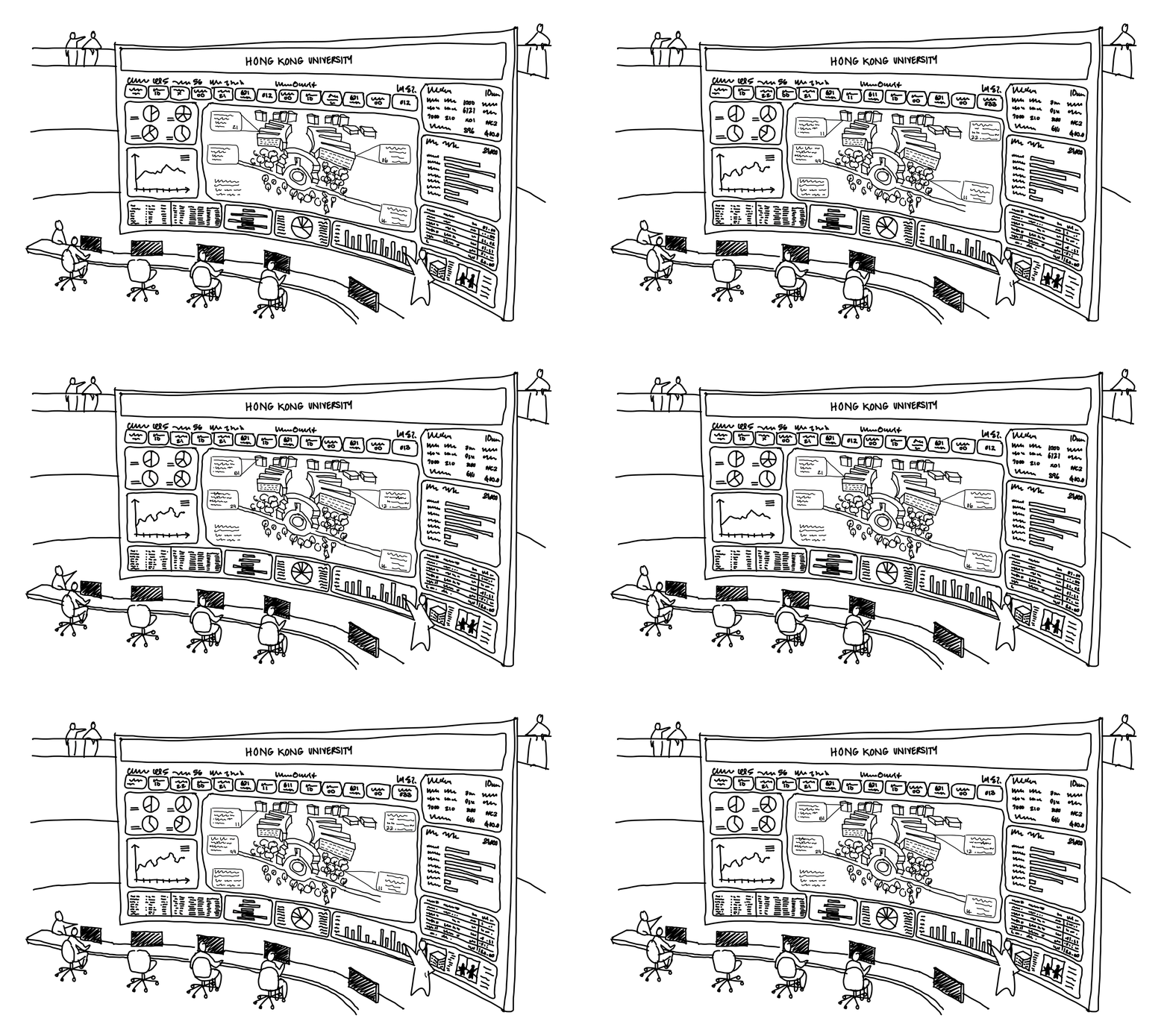
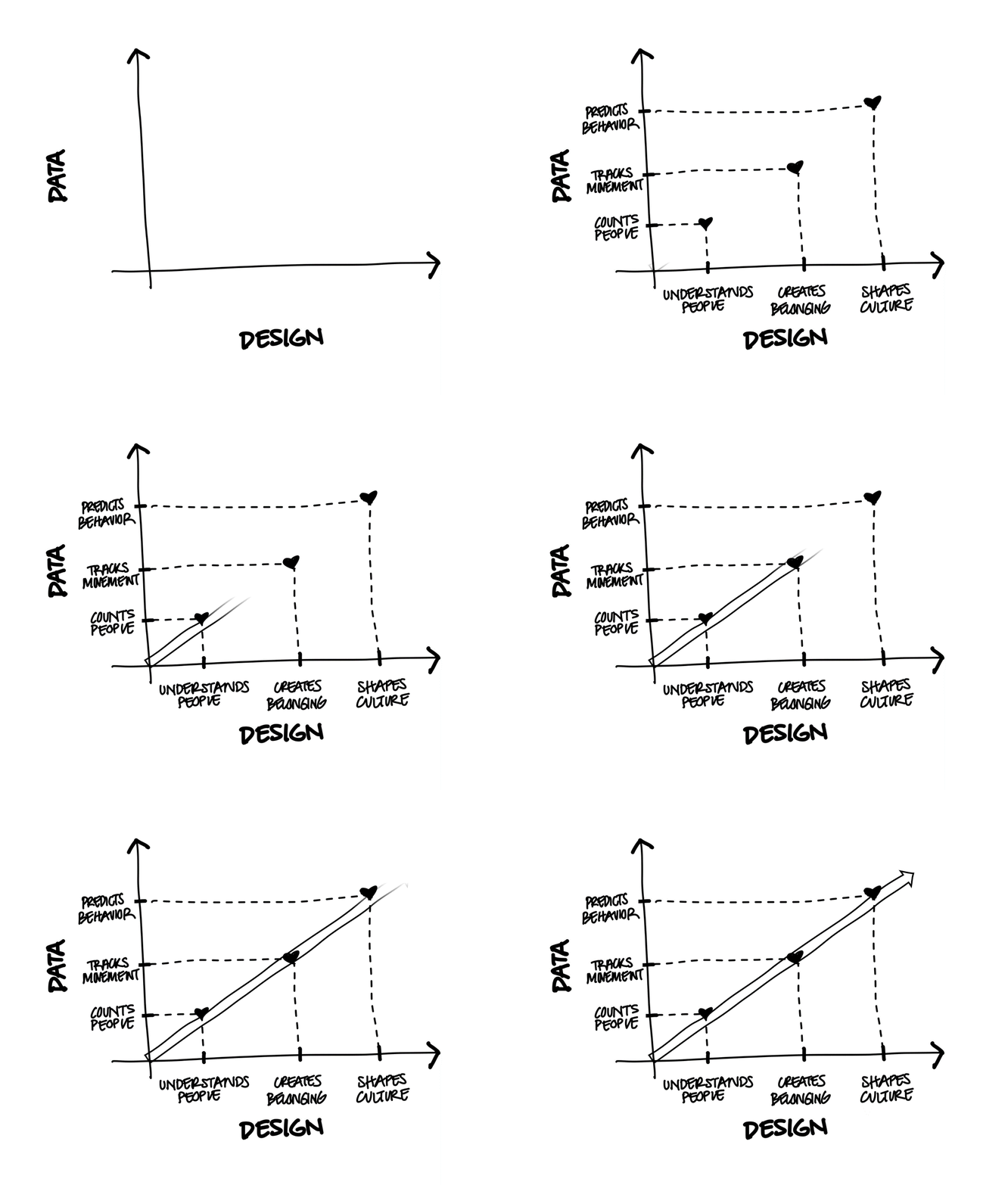
Predictive analytics in planning that model enrollment, energy, or movement are powerful. Yet anyone who’s carried an umbrella on a day that never rained knows prediction still has its limits.
Prediction should inform, not dictate. Herbert Simon, who famously bridged economics, psychology, and design, said it best: design is how things “ought to be,” not merely how they are likely to be. If we can forecast behavior, we must still leave room for surprise — for discovery, delight, and joy.
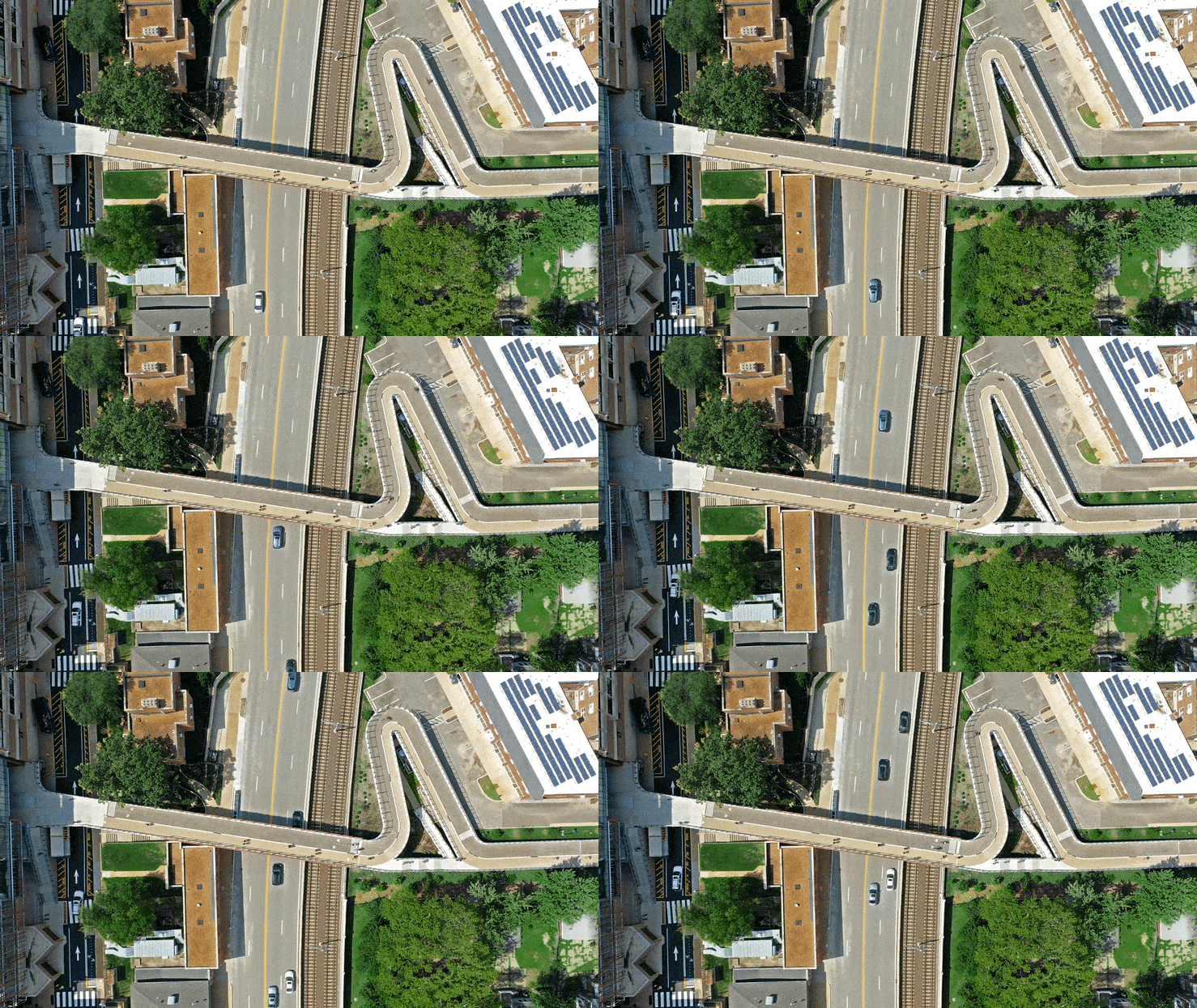
At Washington University in St. Louis, cell phone mapping revealed what our instincts already suspected: where people slowed, where they bunched, and where the campus narrowed into friction. The heat maps traced a thick, dark line across the page. A utilitarian ramp crossing a freeway and light rail corridor was funneling thousands of daily movements through a single, inequitable pinch point.
The solution was not simply to release the valve. It was to shift, realign, and reimagine the experience entirely.
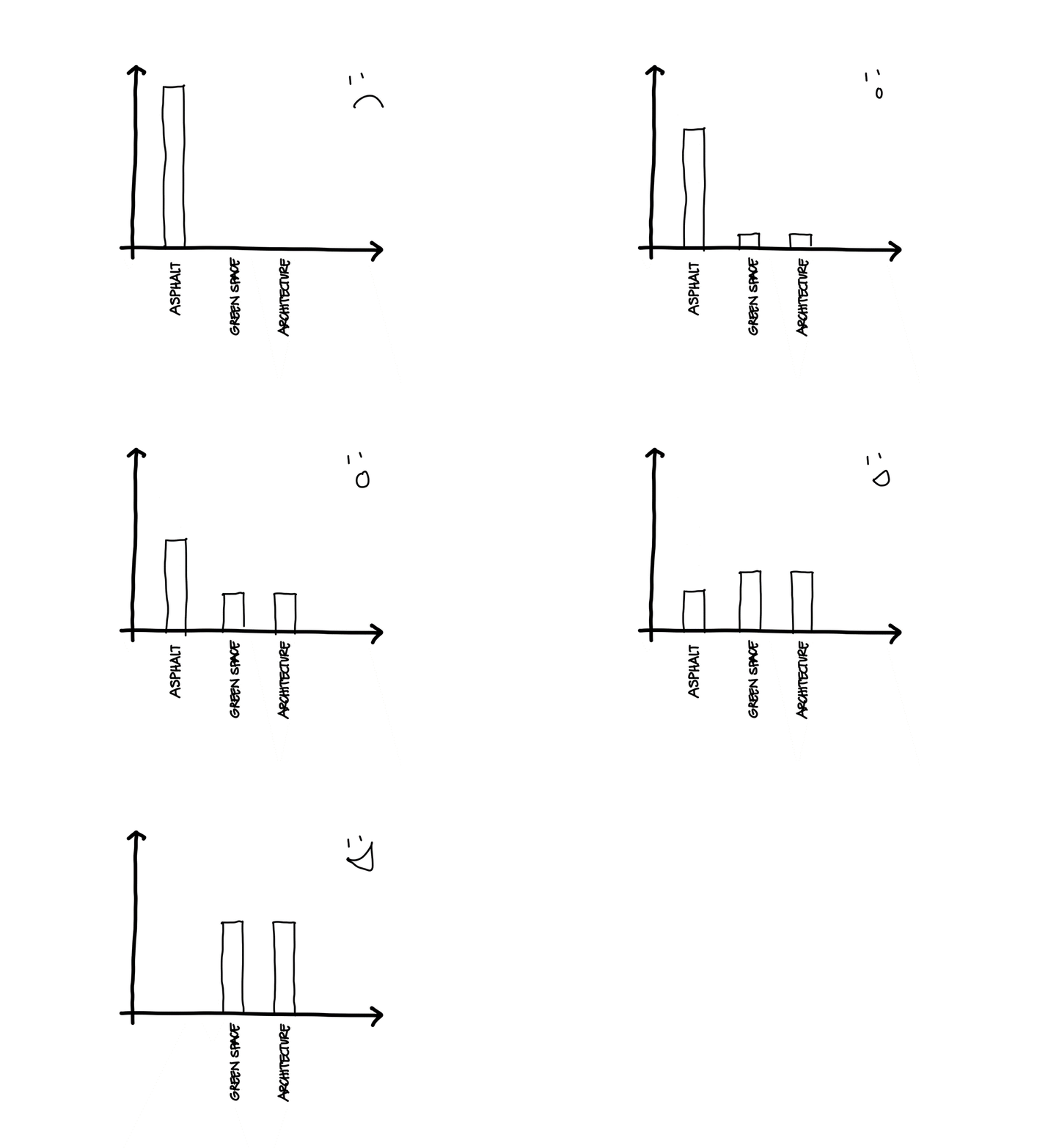
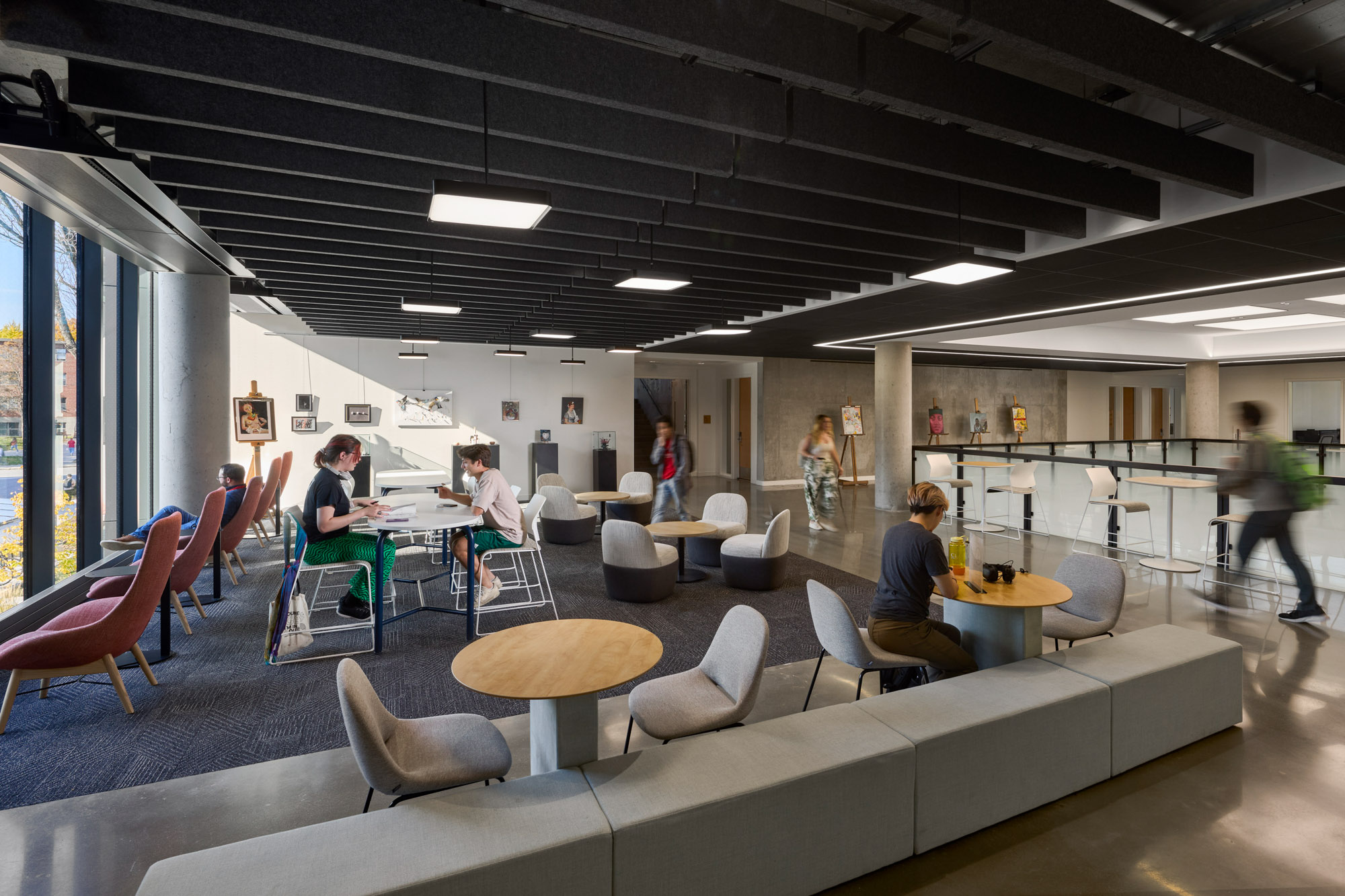
Our reimagined version of the building, the bridge, and the plaza is designed to act as a civic room. Fully accessible routes are integrated, not appended. Stairs include wheel troughs. Light, views, and material warmth replace compression and glare. The crossing is no longer something to endure, but something to inhabit. A former pinch point becomes a place of pause, encounter, and arrival.
Avatar predictive modelling proved the design would work but the question was never “How do we move people more efficiently,” but rather, “What does this moment say about who belongs here?”
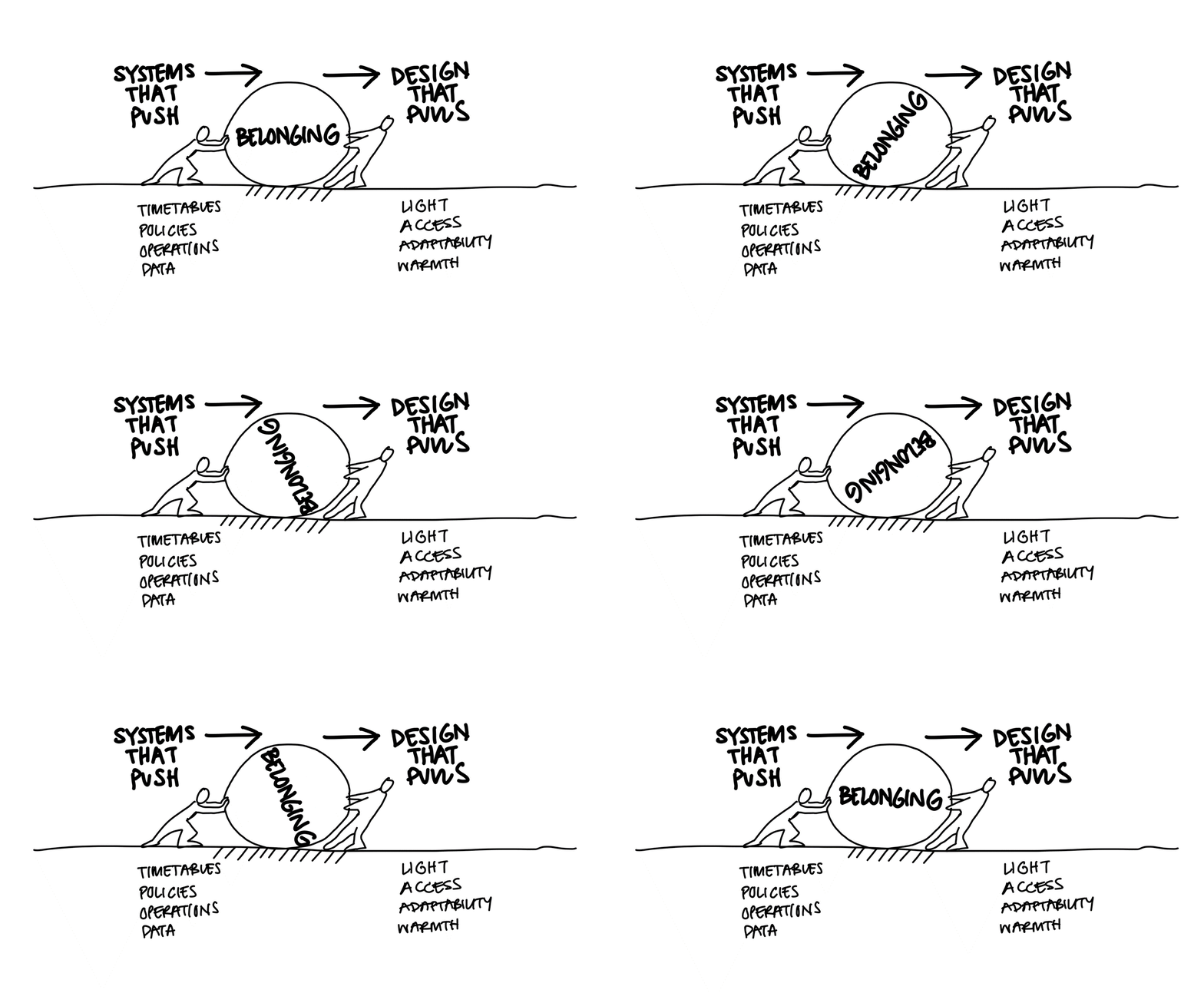
Campuses exist precisely to cultivate those unquantifiable moments. In the words of Shannon Dowling, a principal and specialist in inclusion and belonging: “Data can predict behavior, but it can’t capture lived experience — the feeling of being seen, heard and valued. A campus becomes transformative when it’s designed for the moments that resist prediction but define belonging.”