In today’s supermarkets, the phrase “you are what you eat” is reinforced by a dizzying array of information. Produce is typically labeled by country or state of origin. Packaged foods carry nutrition labels quantifying calories, fats, and proteins as well as ingredient lists distinguishing whole foods from concentrates and compounds. Labels such as grass-fed, non-GMO, and pasture-raised even describe how food was produced. These labels empower consumers to make informed choices by highlighting attributes associated with health, quality, and values. What happens when we translate that kind of labeling to building materials?
Human health transparency certifications such as Health Product Declarations (HPDs), Declare labels, GREENGUARD, and FloorScore are some of the many disclosures manufacturers use to communicate their material ingredients and the compliance of those ingredients with various consumer expectations. Environmental performance is similarly documented through Environmental Product Declarations (EPDs), recycled content claims, and Forestry Stewardship Council (FSC) certification. These labels can help designers and specifiers identify healthier and more environmentally conscious products, but where is the label that helps designers and specifiers pick products with just and equitable supply chains?
In a world where we can trace our food’s food, how do we learn about the people who are manufacturing our products?
Gratefully, we don’t have to start from scratch. The United States Green Building Council (USGBC) introduced the Pilot Credit for Social Equity within the Supply Chain to define an initial framework for evaluating labor practices and ethical sourcing within the building products industry by offering two options:
Option 1. Use Verified Products or Companies
Under Option 1, project teams may specify at minimum three products from at minimum two companies certified through one of LEED’s Verified Standards. These third-party certifications have been pre-approved by USGBC as demonstrating alignment with the original 8 Fundamental Conventions of the International Labour Organization (ILO), which address issues such as forced labor, child labor, discrimination, and freedom of association. These standards span both company and product-level certifications and include programs such as the World Fair Trade Organization (WFTO) Fair Trade Standard, ResponsibleSteel Certification, and the Rainforest Alliance’s Sustainable Agriculture Certification among many others.
It should be noted that since the introduction of this pilot credit, the ILO has since added additional safety and health conventions, bringing the total to 10 Fundamental Conventions as of 2022. The LEED pilot credit has not yet been updated to reflect this evolution, but we imagine it will be with time.
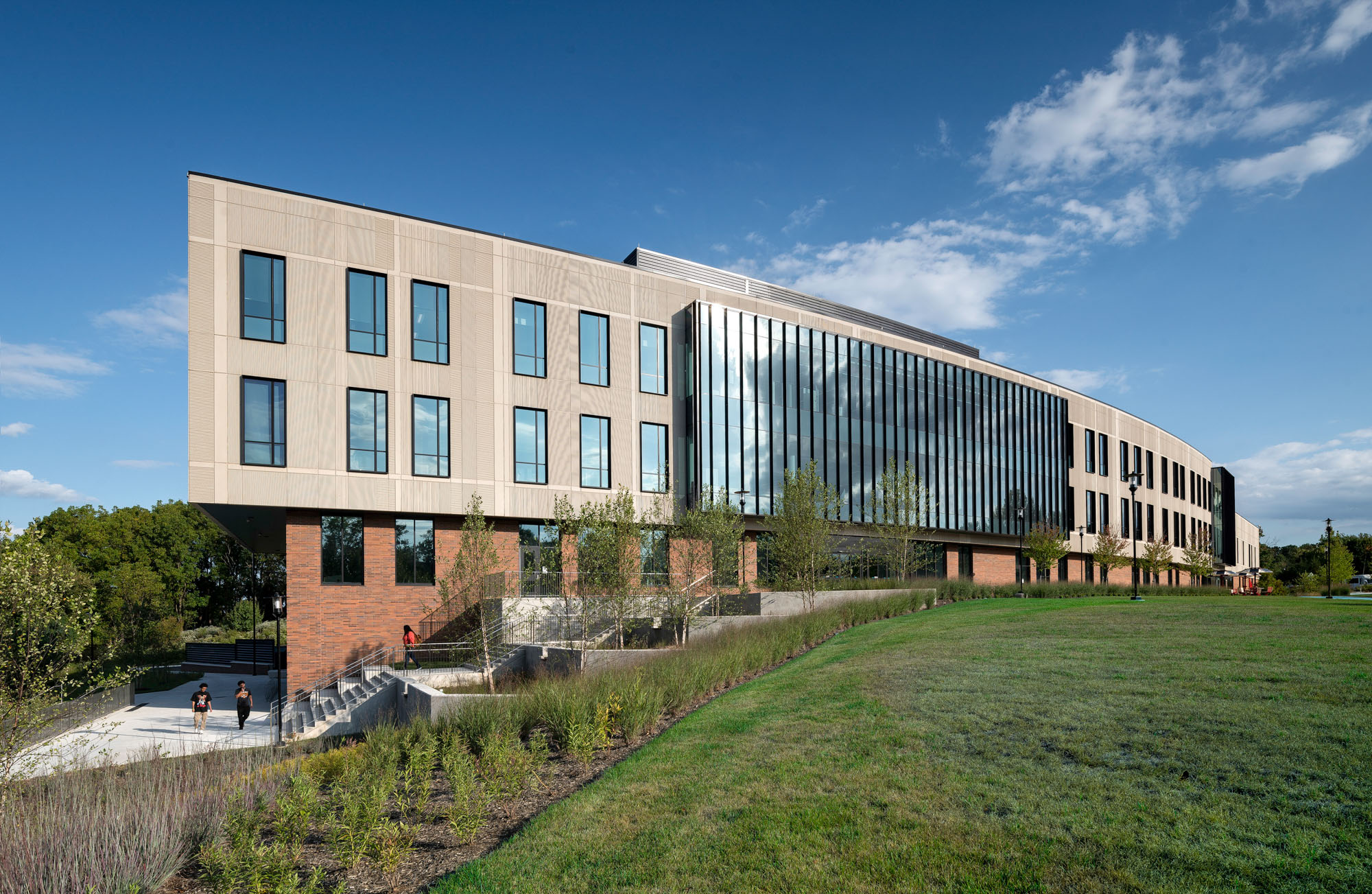
While robust in intent, our experience successfully earning this credit on the recently LEED Gold certified Kahlert Foundation Complex revealed significant limitations in practice. As we reviewed products and manufacturers in this project’s supply chain, which successfully earned 5 of the 6 available Building Product Disclosure and Optimization credits, we discovered that none of the products or manufacturers held supply chain equity documentation from a LEED Verified Standard to pursue the Supply Chain in the Social Equity pilot credit.
When we were documenting this credit for the Kahlert Foundation Complex in 2025, only a very limited number of building products and manufacturers were listed under any Verified Standard, and that some, such as Fair Trade USA, primarily certify goods outside the building materials sector. That makes locating products or companies that qualify under Option 1 to be quite challenging. To meet this pathway’s requirements, design teams may need to identify specific projects and/or manufacturers at the beginning of a project and maintain them through specification, procurement, and construction.
Option 2. Use Alternative Strategies
Option 2 offers a more flexible approach, which helped our team to successfully earn this credit at the Kahlert Foundation Complex. Under this pathway, project teams may submit documentation demonstrating that at minimum three products from at minimum two manufacturers have manufacturer policies that address the 8 ILO Fundamental Conventions and align with the credit’s intent. This documentation may include publicly available human rights statements and supplier codes of conduct.
Using the Option 2 approach, we found three large building product manufacturers used at the Kahlert Foundation Complex with robust policies applicable to the pilot credit:
These manufacturers and their associated policies were submitted and approved by reviewers, confirming that the selected companies demonstrate compliance in advancing social equity within their supply chains. While this outcome establishes a useful precedent, it is important to note that not all projects are identical, and there remains an inherent risk that a USGBC review team may not accept an approach that has been acceptable on another project.
Outcomes and Insights
As part of the effort to achieve this pilot credit, two broader insights emerged:
- Our evaluation of Option 1 demonstrated that manufacturers and products rarely pursued third-party certification for social health and equity standards; a trend that is unlikely to change unless rating systems such as LEED begin to more formally incentivize and reward such efforts. While the infrastructure for social equity certification exists, it does not yet appear to have been meaningfully integrated into building material supply chains. Encouragingly, however, manufacturers are beginning to publish publicly available company-wide human rights statements and supplier codes of conduct, signaling a broader industry shift toward transparency. It was clear that large manufacturers, and especially those already recognized as leaders in environmental sustainability, were more likely to have comprehensive social equity policies in place. This suggests a strong correlation between environmental leadership and broader advancement in ESG frameworks.
- Just as standardized food labels empower consumers to understand what they eat and how their food was produced, the building industry must continue to evolve toward clearer, more accessible information about the people behind the products it specifies. The LEED Pilot Credit for Social Equity within the Supply Chain represents an early attempt to close this gap, but its long-term trajectory remains uncertain, particularly given the lack of clarity around its inclusion in the LEED v5 Project Priority Library.
As the market continues to define what constitutes an equitable supply chain, designers can play a meaningful role in shaping its trajectory. By continuing to specify and prioritize products from manufacturers with clear, transparent, and equitable supply chain practices, designers contribute to both better buildings and a more just built environment.