
Ideas / Research & Design / 6.12.2026

Slow Learning in the Age of Acceleration

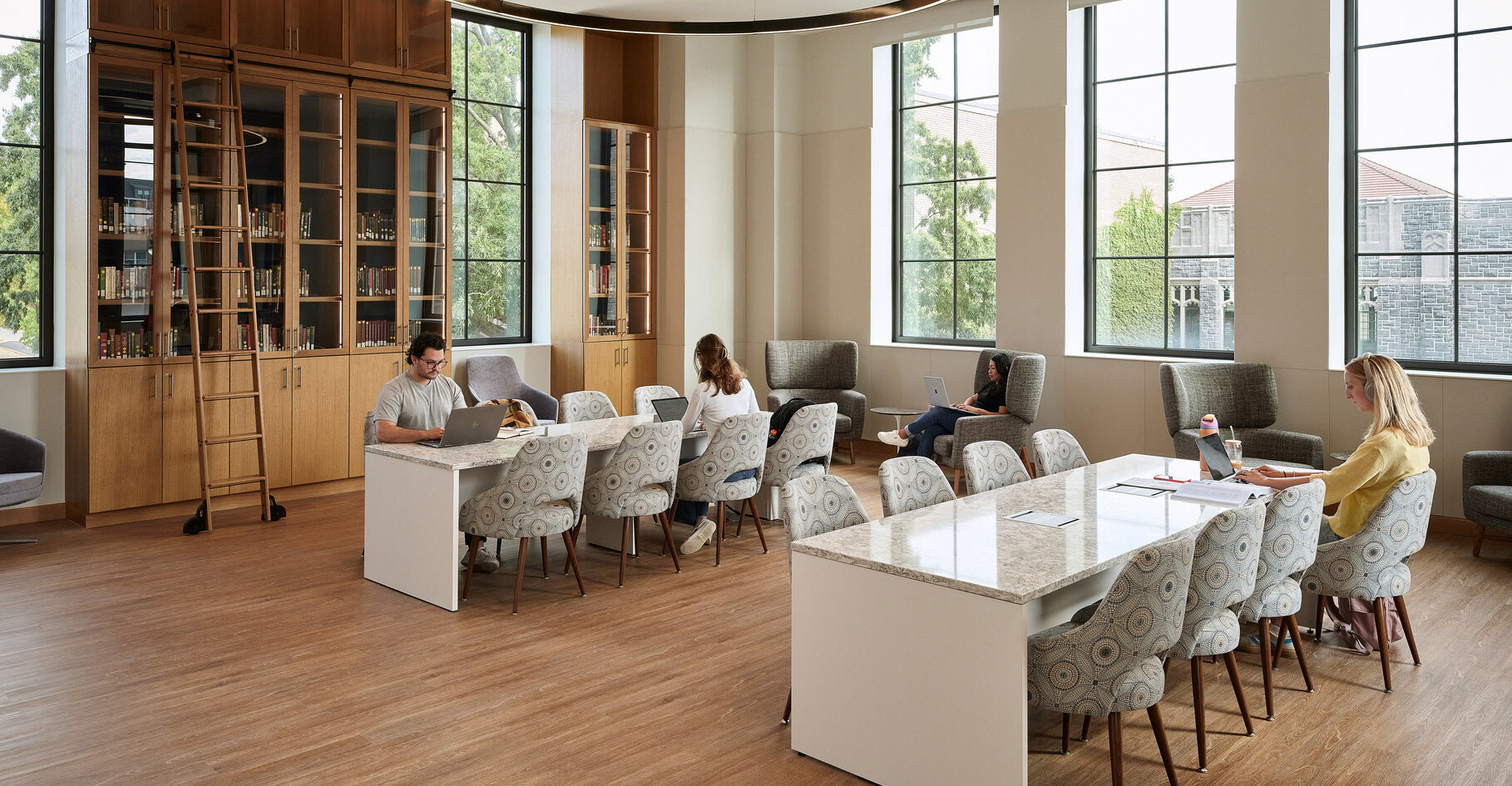
Students study at long stone tables in a room with wooden display shelves at The Catholic University...

Higher education is under tremendous pressure. Artificial intelligence is changing how students study, research, and respond to assignments. Global issues pertaining to climate, politics, public health, and the economy are pushing students into new areas of focus. And institutions are being asked to demonstrate clear value, use resources wisely, adapt quickly, and prepare graduates for futures that are increasingly unpredictable.  

The pandemic disrupted academic habits, social development, and confidence in ways that are still unfolding. While faculty are navigating this moment with stretched time and limited resources, students are carrying strained attention, social disconnection, and increased anxiety about what comes next. In many settings, learning has become increasingly transactional: complete the assignment, earn the grade, check the requirement, and move on.  

The impulse toward an education that merely “checks all the boxes” is understandable. Students and their families want to think practically in an expensive and uncertain landscape, while employers want demonstrable skills and outcomes. Education, however, cannot and should not be reduced to grades, rubrics, and multiple-choice exams.

A noisy future primed by rapidly advancing technology, global conflict, and civic distrust requires graduates who can listen across differences, interpret complexity, examine assumptions, make ethical decisions, and communicate with care. That requires students to practice the harder work of inquiry: following a question without knowing where it leads, recognizing nuance, evolving their thinking, and building the confidence to sit with uncertainty.  
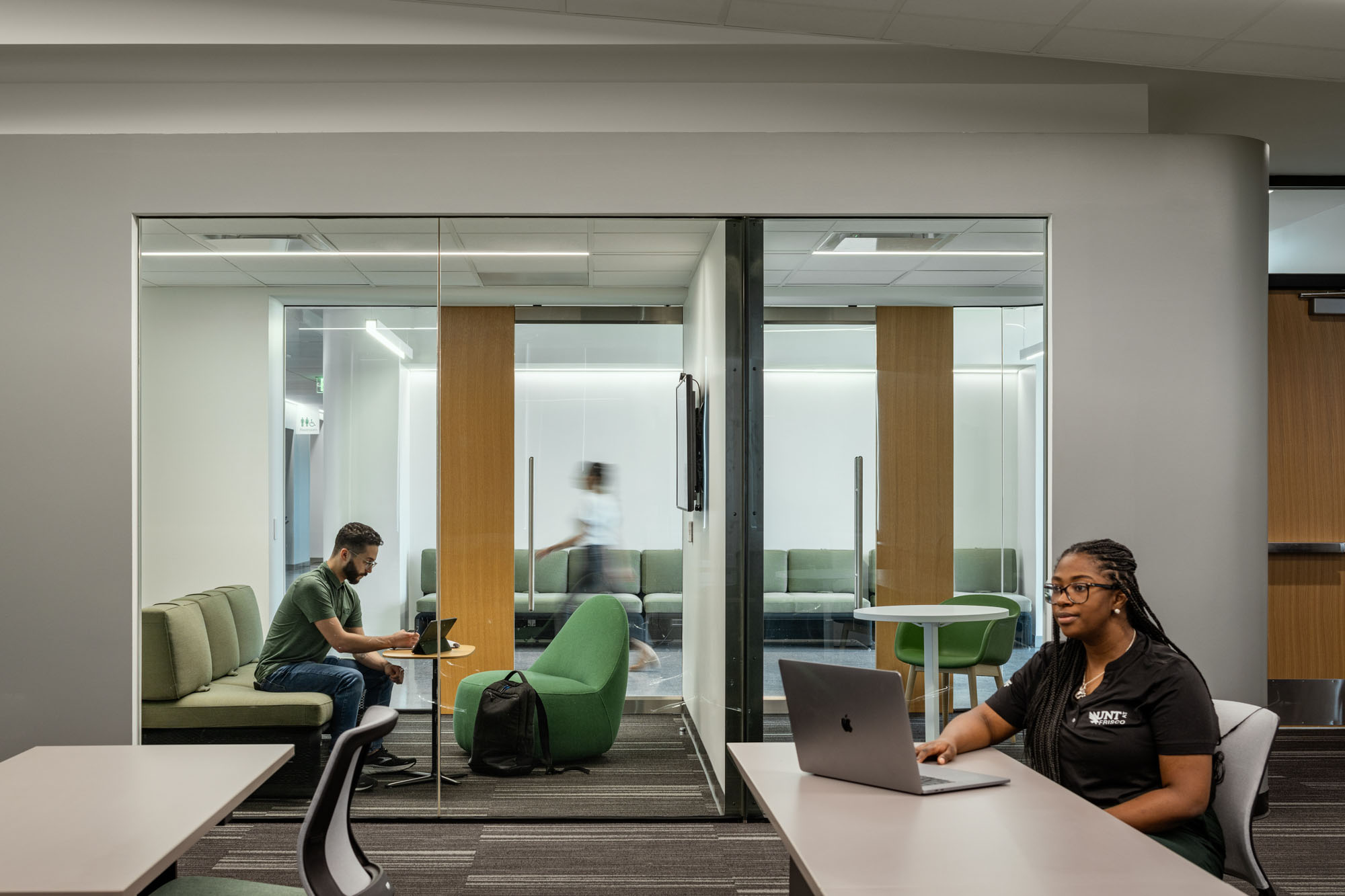
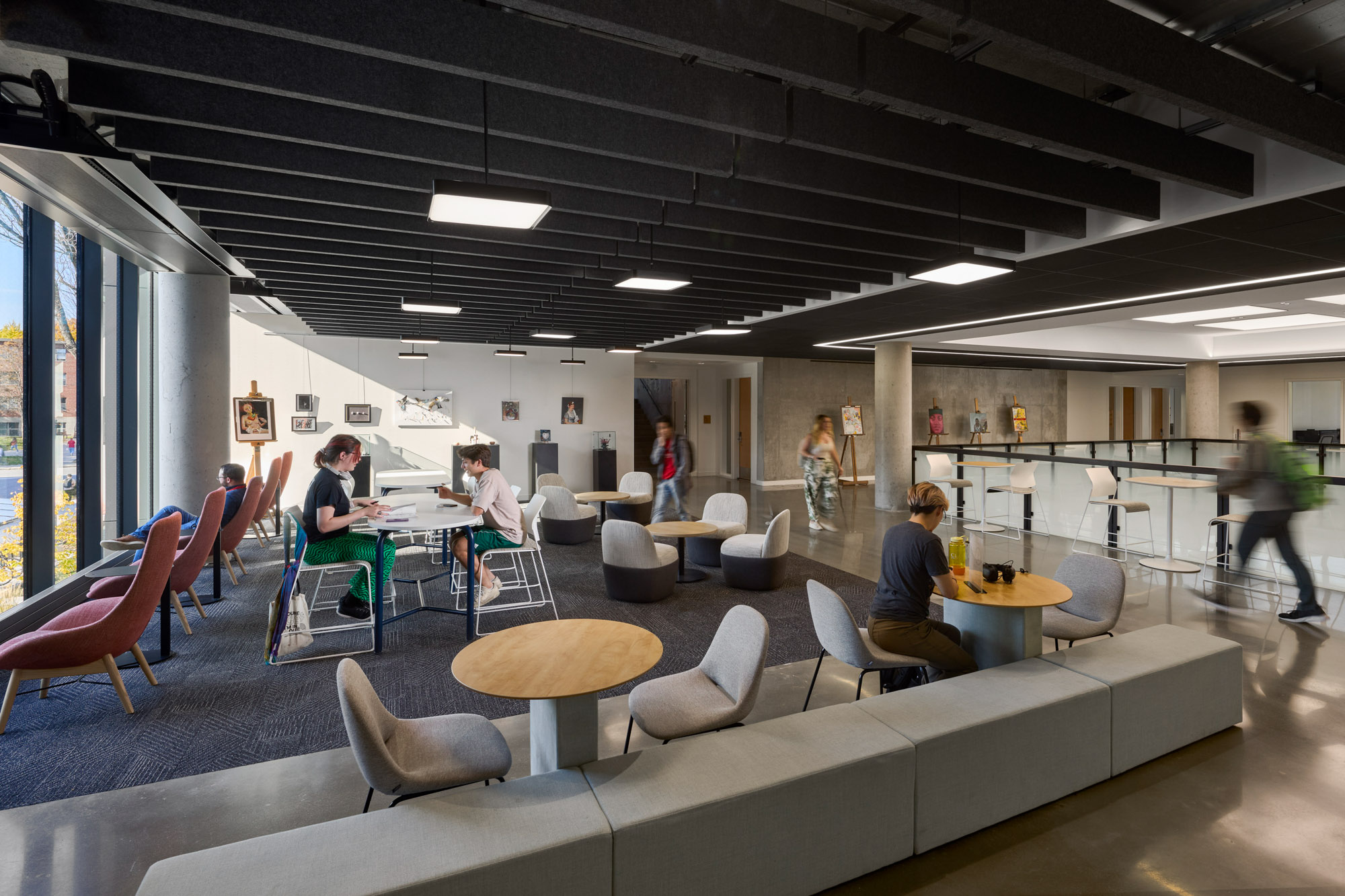
Students work in flexible study spaces at UNT at Frisco's Frisco Landing.
Slow learning depends on the spaces between scheduled moments. At UNT Frisco Landing, study and collaboration spaces extend learning beyond scheduled instruction, giving students places to pause, connect, and continue conversations throughout the day.
Slow Learning

The humanities and human-centered social sciences share a commitment to understanding people in context: their histories, cultures, behaviors, relationships, vulnerabilities, and aspirations. Together, they help students ask what is happening in the world, what it means, why it matters, and how we might respond with care. This kind of learning requires depth in a culture that commonly rewards speed. It asks students to slow down, reflect, and remain open to complexity.  

Slow learning is the careful reading of a difficult text, the patience to understand context before forming judgement, the discipline of listening before responding, the humility to revise an idea, and the courage to ask more questions before rushing towards a response. These are durable human capacities for living and working in a complex and technologically rich world. Students need to understand how to use tools, but also how to question them: who benefits, what biases are embedded, who is harmed, what environmental costs are hidden, and what forms of human discernment should be protected. These questions center lifelong, life-deep, and life-wide learning. 

Over the last decade, many campuses have invested in buildings that make certain kinds of learning highly visible. Innovation hubs, business schools, data science facilities, engineering buildings, and maker-rich environments frequently showcase collaboration, experimentation, technology, and production. Students can see teams working together, ideas taking shape, and specialized tools signaling the activity within.  

Humanities learning is active in quieter ways. Its tools may be a marked-up text, a shared table, a carefully framed question, or a conversation that continues after class. The spaces that support this work — seminar rooms, pooled classrooms, faculty offices, reading areas, and informal gathering spaces — can appear simple, but they must support dialogue, trust, mentorship, and ambiguity to cultivate slow learning.  

Making Slow Learning Accessible

Design has an opportunity to make slow learning more legible without flattening it into spectacle. Design can lower the threshold to participation by allowing students to observe enough of the work to understand that it is relevant and open to them. The goal is not to put everything on display; some learning requires privacy, trust, quiet, and time. But access, adjacency, and choice build curiosity and can serve as an invitation to participate. A visible seminar room off a busy common area, a digital display that brings archival material into public view, or student work intermixed with professional, community projects and exhibits can nudge students towards inquiry and participation.  

Belonging is shaped through shared experiences — through feeling seen and valued. Students notice what is visible, what is tucked away, where people gather, what doors are left open, and whether the conversations and work happening in a space feel accessible. Physical space sends cues about who is welcome, how participation begins, and how learning is cultivated and encouraged.   

Slow learning is made possible through relationships, including faculty mentorships, peer connections, and repeated, informal encounters that curate support, confidence, and belonging. Relationships are often spatial before they are programmatic. A fixed, front-facing classroom signals lecture over dialogue. A hallway with nowhere to pause limits continued conversation. Faculty tucked away behind peninsula desks and dual monitors, opaque doors, and narrow hallways can reinforce an unintended hierarchy and amplify anxiety. An oversized lobby with formal furniture, a lack of outlets, and limited adjustability fails to become a shared living room. 

Physical space sends cues about who is welcome, how participation begins, and how learning is cultivated and encouraged.  

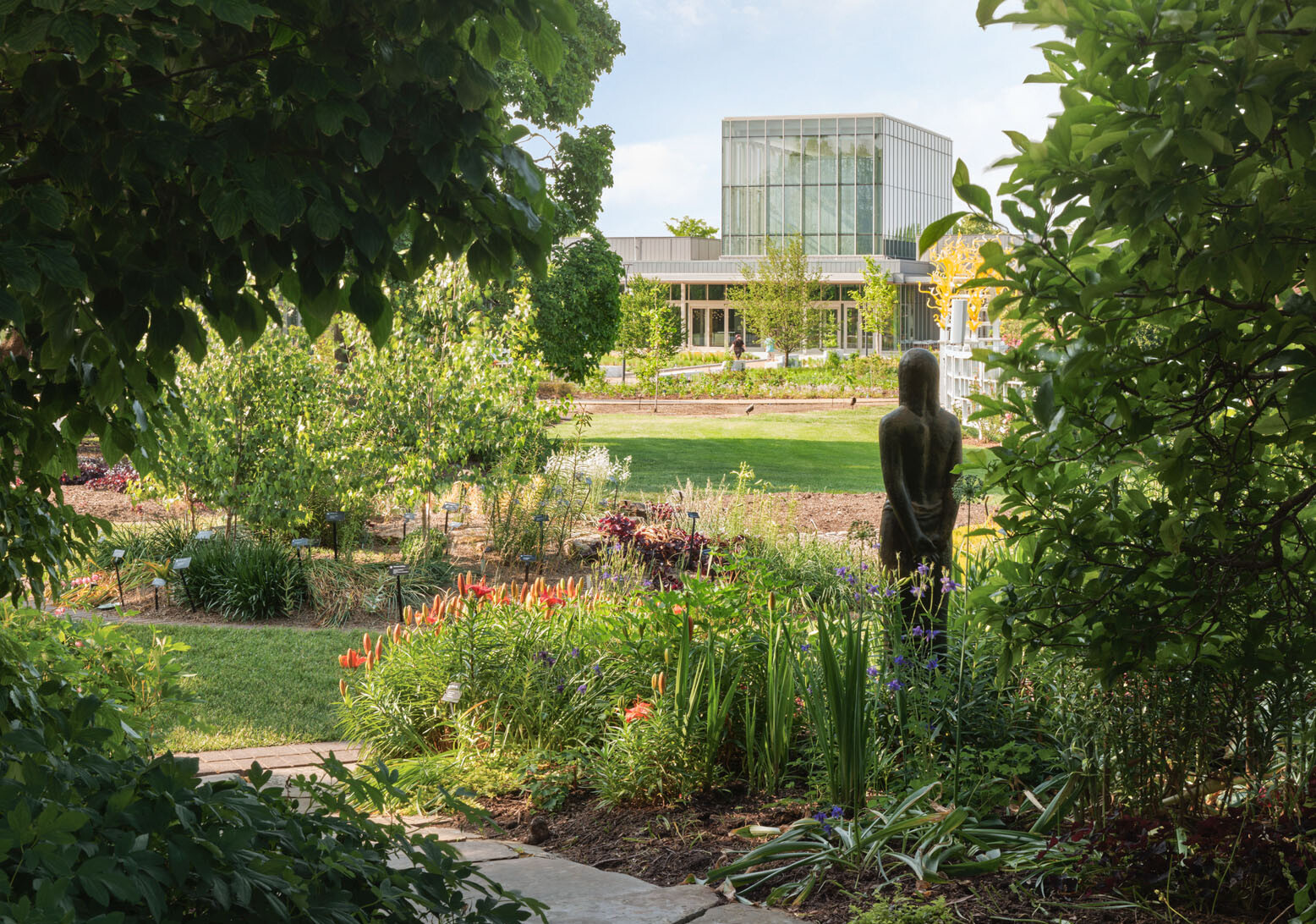
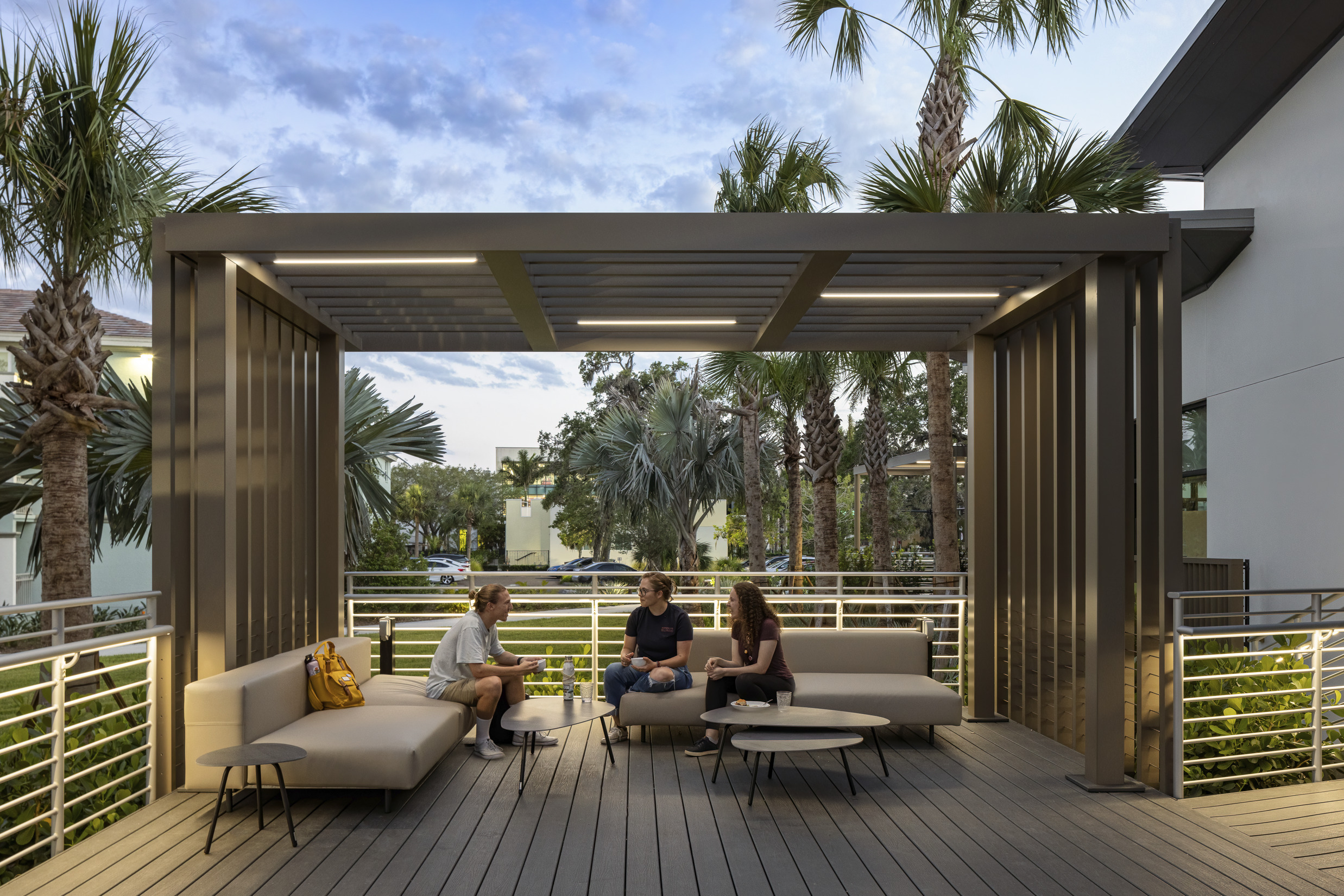
Slow learning is encouraged through low-stakes, chance encounters such as a question after class, a serendipitous conversation in a hallway, or a student stopping by because the door is open, the path welcoming, and the culture reinforcing of authentic acceptance. Students in the humanities learn by listening, questioning, making, debating, presenting, and revising. In a similar way, the physical backdrop should support movement between reflection and production, between solitude and gathering, between focus and engagement. It should be porous and connective between academic and student life, interior spaces and the surrounding landscape, and between scheduled learning and unscheduled encounters that breathe life and purpose into a campus environment.

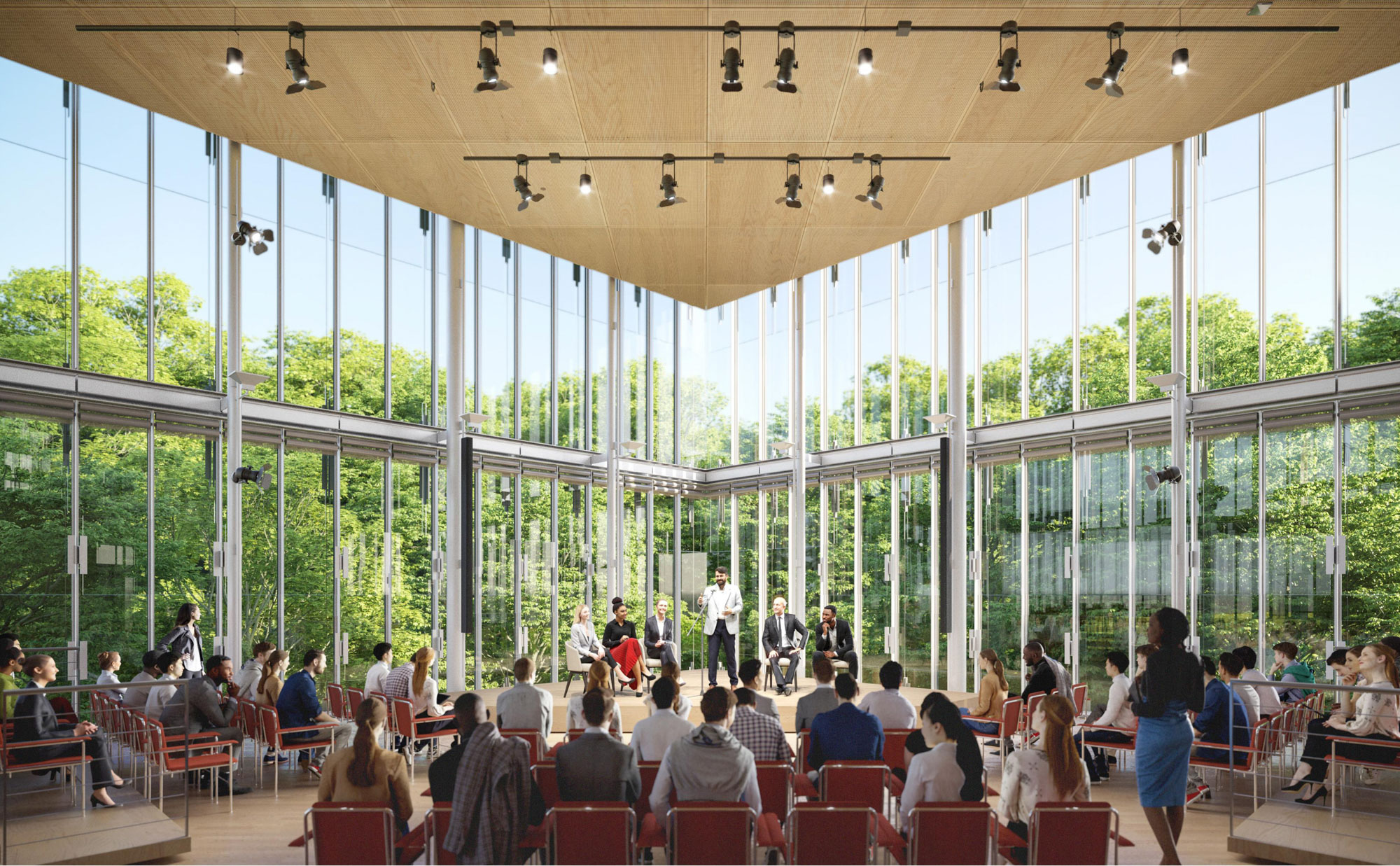
A glass-enclosed auditorium at the Stavros Niarchos Foundation Agora Institute
The Stavros Niarchos Foundation Agora Institute makes civic engagement visible through spaces for dialogue, scholarship, and public life.
Design Makes Values Visible

Universities reveal their priorities through what they build. A humanities building can show that ethics, interpretation, culture, creativity, and civic life are central to the future of higher education. It can also expand how sustainability is understood, not only as environmental performance, but as social and economic care: a building that is durable, adaptable, healthy, welcoming, and deeply used.  

The pandemic reminded us of the value of presence. A campus matters because it brings students together for shared experiences, rituals, and unplanned encounters that help them feel part of something larger than themselves. In a world of fast food, TikTok and YouTube shorts, and endless breaking news cycles, campuses need places to nurture slow growth and discovery. The promise of the humanities and social sciences is that they help students practice a rich, deep, and more human form of learning. The buildings that house them should do the same. 

Shannon Dowling is an architect, space analyst, and educator who focuses on creating research-driven and student-centered learning environments.

Your browser is out-of-date!

Update your browser to view this website correctly. Update my browser now

×