
Ideas / Research & Design / 1.30.2026

Keeping Up with LEED v5: What’s Changing and Why it Matters

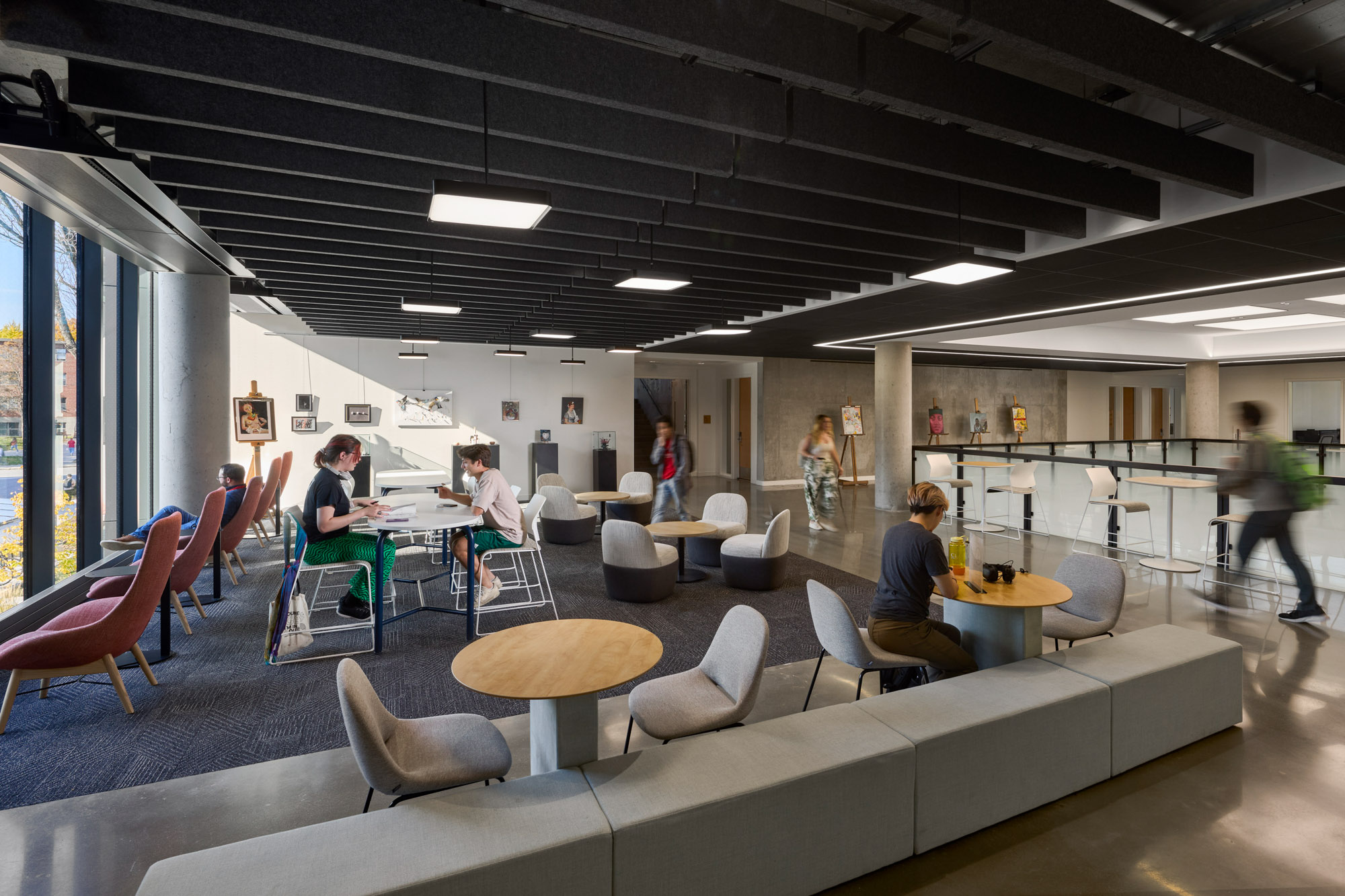
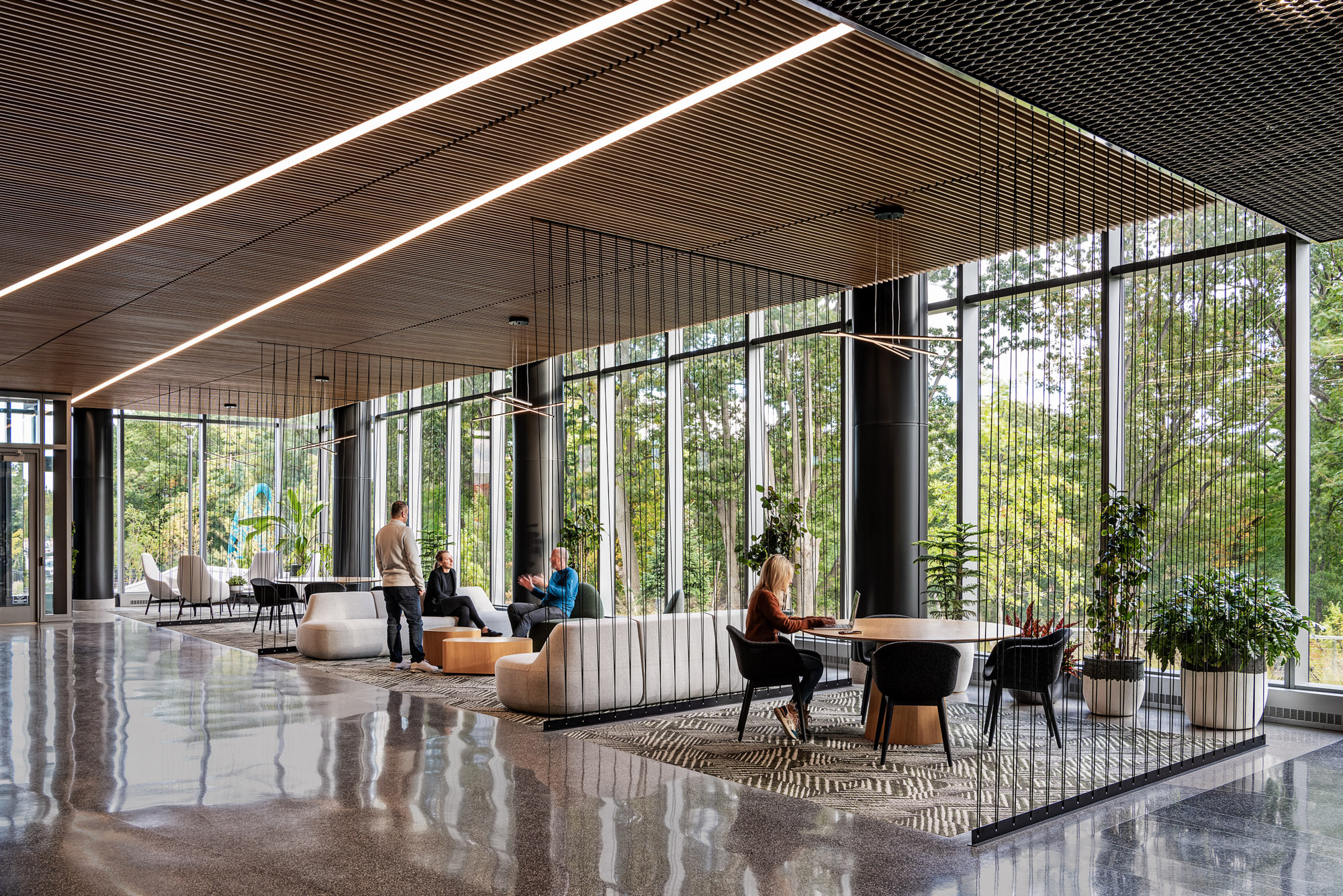
The lobby of 100 Forge features comfortable seating with natural views.

LEED v4 has been the predominant green building rating system in the market for nearly a decade, but the consensus-driven standard for sustainable design has evolved.  The U.S. Green Building Council opened LEED v5, the next evolution of its rating system, for registration in April of 2025. As previous versions LEED v4 and 4.1 prepare to sunset registration on June 30, 2026, we are excited and ready to help guide clients through this transition.

So what has changed?

While the familiar certification tiers — Certified, Silver, Gold, and Platinum — remain unchanged in terms of point thresholds, LEED’s underlying priorities have shifted in meaningful ways. LEED v5 reflects a recalibration of what high-performance building means, emphasizing decarbonization, human well-being, and ecological resilience. As climate pressures intensify and expectations around social and environmental responsibility continue to rise, LEED v5 lays out a pivotal new framework for the building industry.

The mid-century modern facade of Arizona State University's Hayden Library
Hayden Library at Arizona State University was designated LEED Platinum under a previous LEED version.
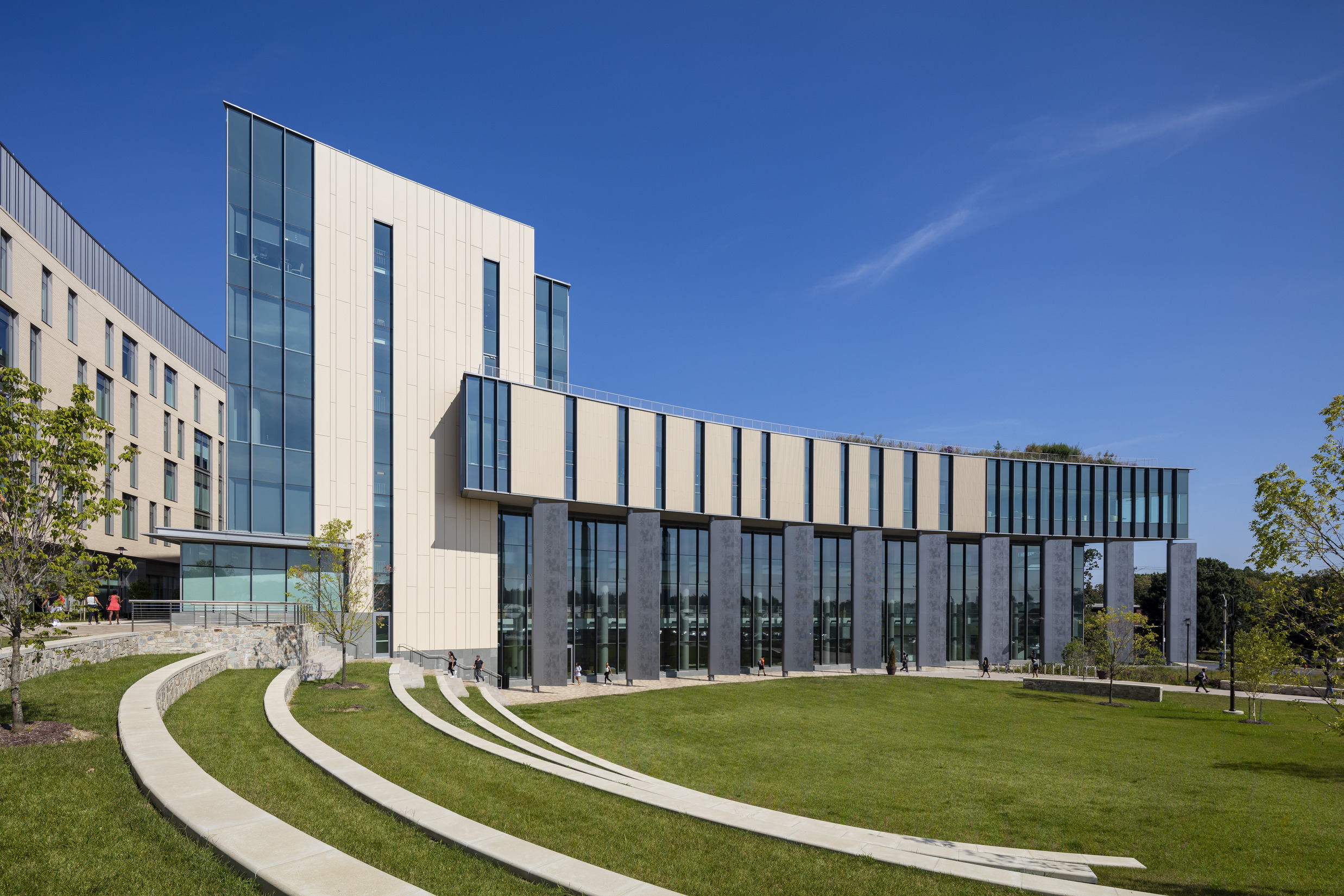
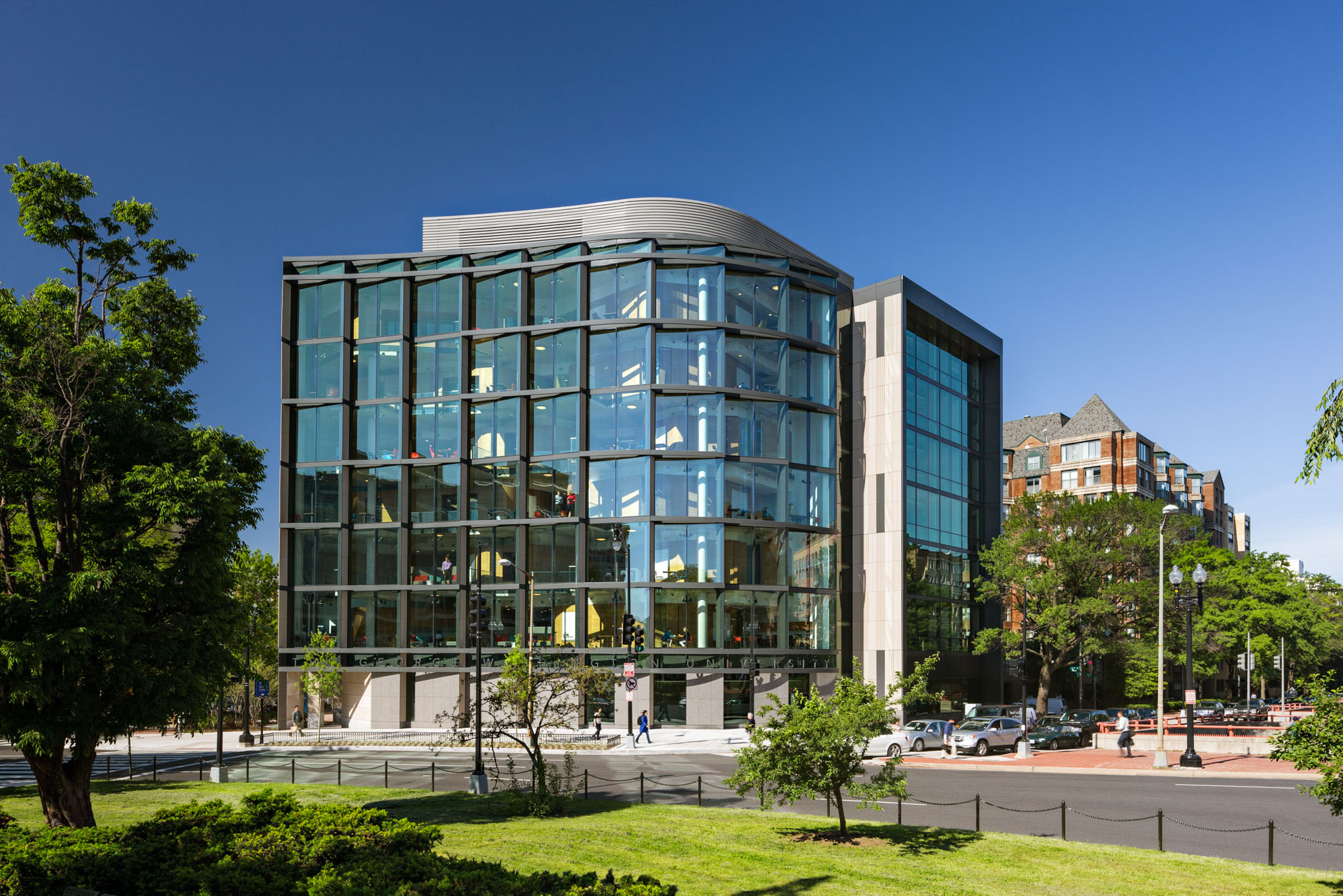
A curved glass academic building at The George Washington University
The George Washington University Milken School of Public Health earned LEED Platinum under a previous LEED version.
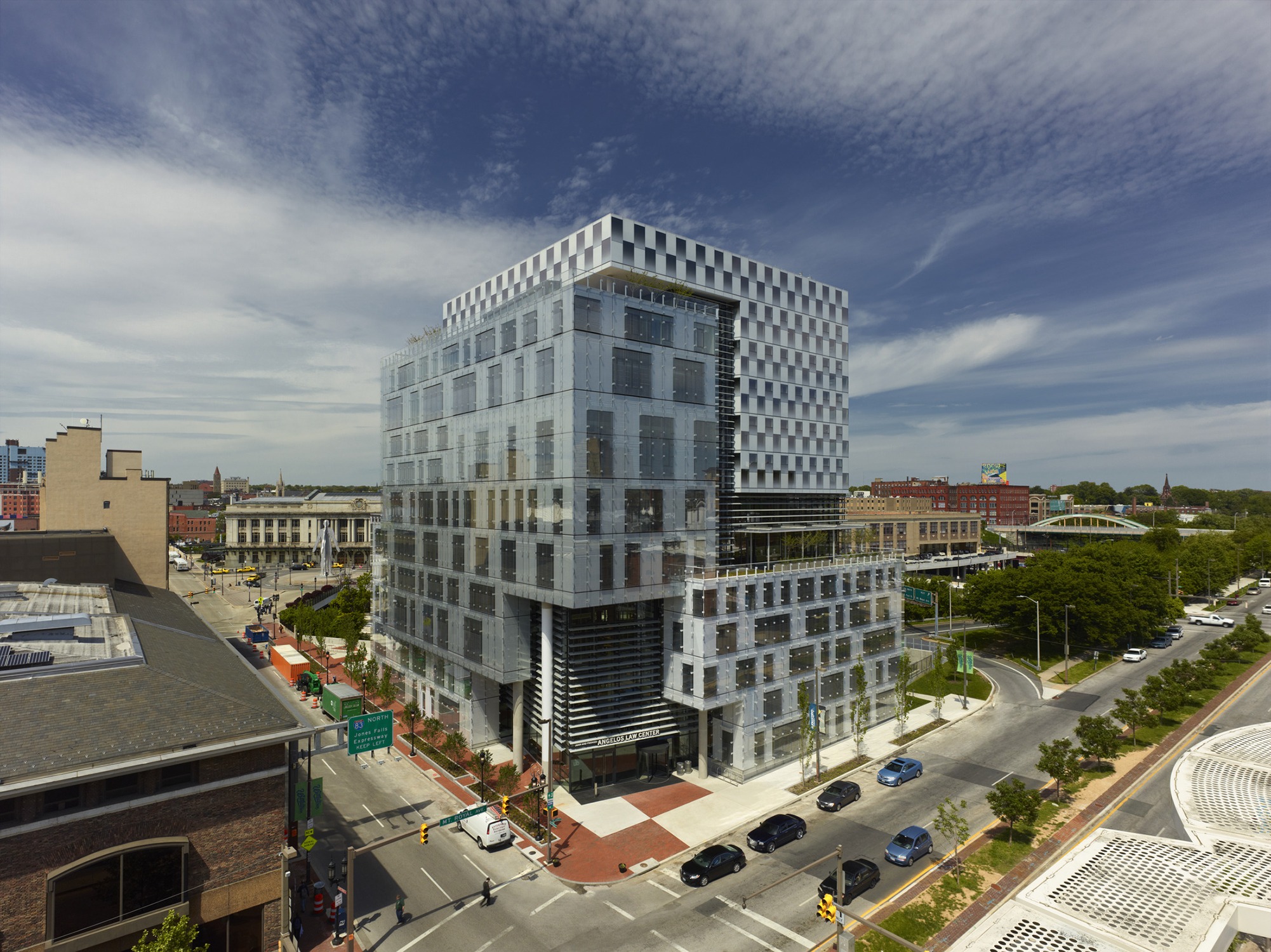
The John and Frances Angelos Law Center stands on a prominent urban site at University of Baltimore
The John and Frances Angelos Law Center earned LEED Platinum under a previous rating system.
Mandatory Requirements for Platinum Projects: New Construction

One major change in LEED v5 requires new construction projects pursuing Platinum certification to earn at least 80 points across the rating system, including a minimum number of points in four performance credits as part of their pathway to achieving all prerequisites.

To achieve Platinum, projects must achieve at least:

These credits establish clear expectations for eliminating on-site combustion (with limited exceptions for emergency systems), achieving net-zero operational carbon, and significantly reducing embodied carbon. Together, these new requirements signal a decisive shift toward measurable carbon performance as a baseline expectation within the LEED v5 rating system.

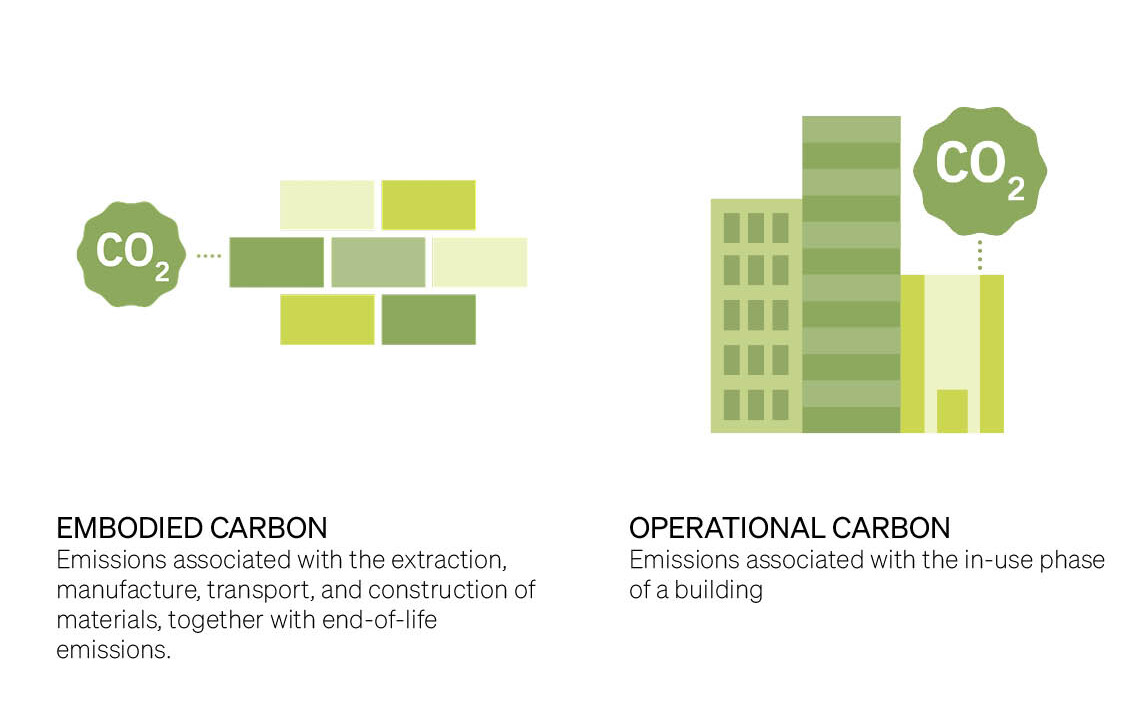
Embodied and Operational Carbon Diagram
Decarbonization

LEED v5 places a larger emphasis on both operational and embodied carbon. This reflects a growing recognition across the building industry that reducing emissions is one of the most immediate and effective ways to drive positive climate change.

Under LEED v5, projects are expected to actively reduce carbon emissions associated with building materials, construction activities, and long-term operations. This shift is reflected in nine carbon-focused credits, elevating whole-building life cycle assessments, low-carbon material selection, and electrification strategies.

For design teams, these changes reinforce the importance of early collaboration with clients and consultants. With carbon-focused credits carrying significant weight in the LEED v5 rating system, aligning design intent with carbon performance goals at the beginning of the project, rather than validating decisions after the fact, will be critical to meeting v5 requirements and delivering projects that respond to today’s climate challenges.

Human Impact

LEED v5 brings more attention to health, equity, and social impact as a whole; acknowledging that sustainability encompasses strong performance in not only environmental outcomes but human and social outcomes as well. Credits related to occupant health, equity, and community impact are now positioned as core components rather than secondary considerations hidden in the innovation or pilot credit libraries.

The new Human Impact Assessment prerequisite, for example, is a required early-stage evaluation of how the project will affect people. Design teams must assess local demographics, access to infrastructure and services, and health and equity conditions. The goal is to use this context to inform design and operational decisions that improve both occupant experience and the surrounding community.

Similarly, the Equitable Development credit rewards projects that actively reduce social and economic inequities by minimizing displacement, improving access to service and amenities, supporting local workforce and businesses, and addressing historically underserved communities.

Lastly, the Accessibility and Inclusion credit encourages projects to extend beyond code requirements to create spaces that are usable for people of all abilities. Enhanced physical accessibility, clear wayfinding, sensory considerations, and support for neurodiversity are some strategies design teams could include to support a wider range of building occupants.

With these additions, LEED v5 encourages a more holistic view of sustainable design, one that considers not only how buildings perform, but who they serve, how they are built, and how they contribute to broader social well-being.

Climate Resiliency

Another important theme LEED v5 embraces is designing buildings that are resilient to future environmental challenges. Increased attention to resilience, climate risk, and long-term adaptability reflects the growing need for buildings and landscapes that can withstand environmental stressors while continuing to support occupants and communities.

The Climate Resilience Assessment prerequisite requires projects to identify risks, such as flooding, drought, hurricanes, and tornados, that could affect the building and site over its lifespan. Based on this assessment, design teams identify strategies to reduce the vulnerability of both occupants and the building’s performance during climate events. Complementarily, the Enhanced Resilient Site Design credit emphasizes proactive site strategies to reduce the effects of climate hazards such as flood-resistant landscapes and protection of critical site features. Both attempt to make projects safer, more durable, and more likely to function during and after climate-related events. Recent natural disasters like the wildfires in Los Angeles stress the importance of these measures, as rebuilding after widespread loss of vegetation and building damage requires significant time, resources, and investment.

These new prerequisites and credits encourage design beyond code compliance and consider how projects will perform over decades of change.

Reorganization

Lastly, LEED v5 introduces a significant reorganization of credits. Broadly related strategies that previously stood alone as independent credits have been consolidated into fewer, higher point value credits. For example, the former Surrounding Density and Diverse Uses and Access to Quality Transit credits have merged into a single credit now titled Compact Development.

One of the most impactful organizational changes is how LEED v5 addresses water. Indoor and outdoor water use are no longer evaluated separately; instead, they are combined into a single credit that calculates total project water demand. In effect, “water is water,” and all reductions count toward one outcome-based metric.

This shift can significantly change how points are earned. Because the credit is based on overall water use reduction, projects without irrigation can see their point totals increase quickly. To test this, we applied the new LEED v5 approach to water on the recently LEED Gold certified Kahlert Foundation Complex. Under LEED v4, this project with no permanent irrigation system and a 33% reduction in indoor water use earned four points — two for indoor water use and two for outdoor water use. Under LEED v5, that same project could earn up to eight points by achieving a combined 88% reduction in total water demand. For some projects, this reorganization creates an opportunity to capture many more points.

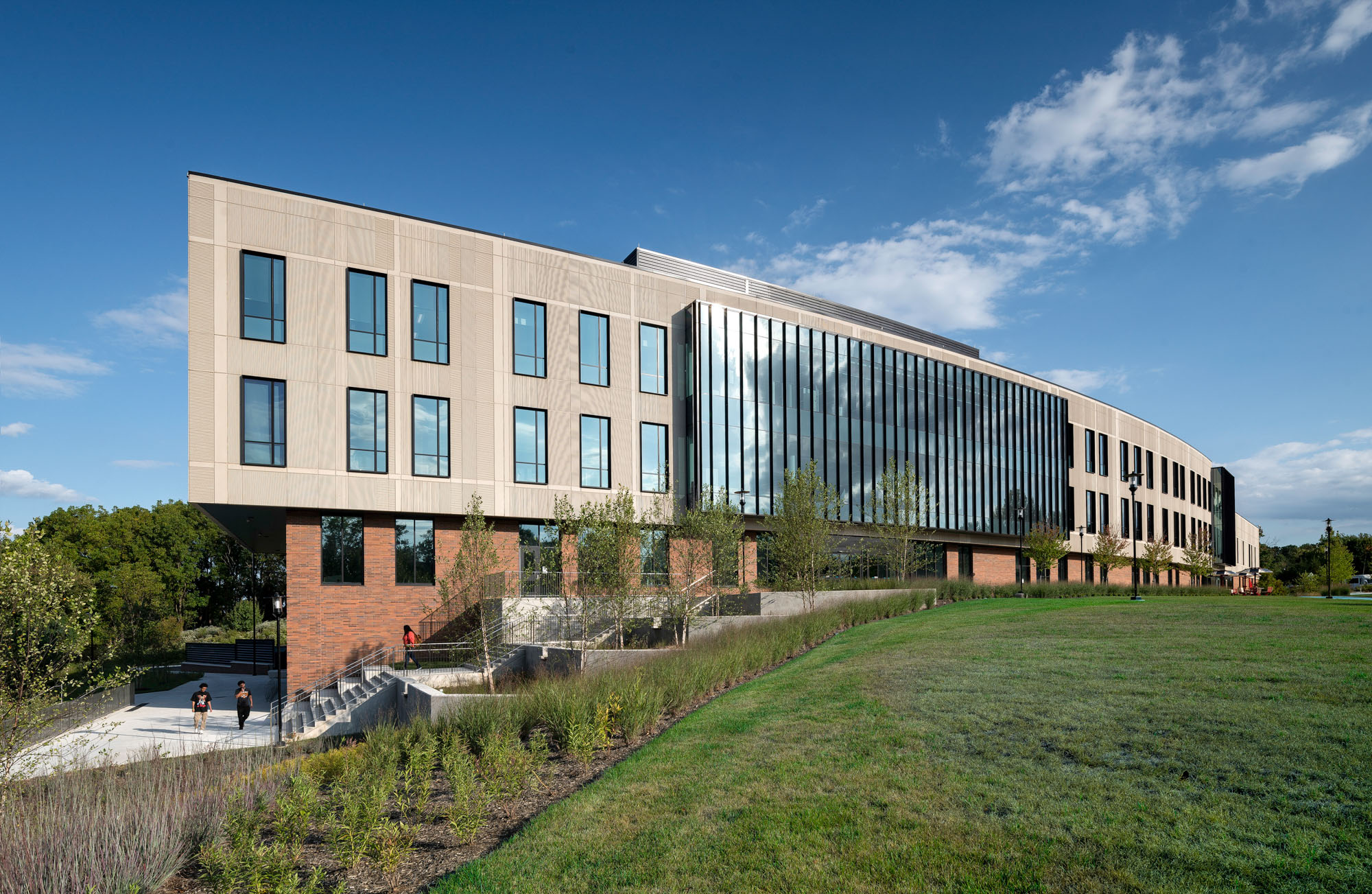
The Kahlert Foundation Complex at Howard Community College, a modern academic building with a large...
Howard Community College Kahlert Foundation Complex
The Future Under LEED v5

Like LEED v4 before it, LEED v5 signals a clear evolution in defining high-performance buildings. It challenges the industry to decarbonize faster, design with human-focused intentions, and aim for higher environmental resilience. As designers, we’re excited to lead the industry through this changing landscape while shaping buildings and spaces that contribute to a positive, healthier, more resilient world.

Zoey Spangler, LEED AP BD+C, LFA, is a sustainable design coordinator for Ayers Saint Gross. 

Your browser is out-of-date!

Update your browser to view this website correctly. Update my browser now

×