Ideas / Research & Design / 2.24.2026

Designing with Purpose: Aligning Vision, Form, and Function in Cultural Spaces

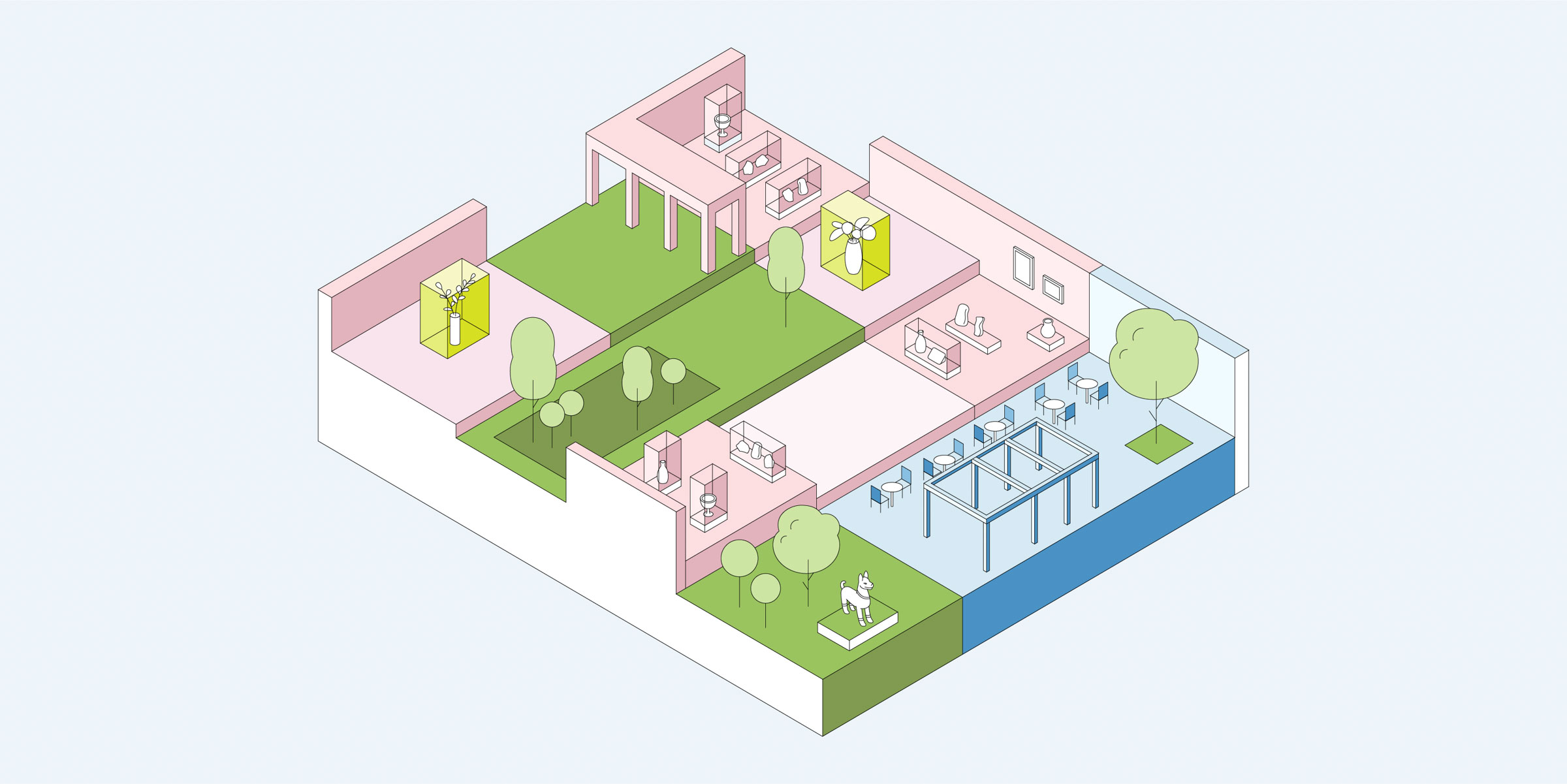
MAAM Illustration V2

A space’s success is often defined by how thoughtfully its architecture balances form and function. This relationship is felt in every environment we enter. It is often intuitively understood by how a place supports our practical needs, while also responding to qualities of light, color, sound, texture, and scent.

Cultural spaces, in particular, must engage multi-sensory needs to fulfill mission and serve a diverse visitor group. When form and function fall out of balance, the results are telling — a visitor center may be beautifully integrated into the landscape, but when security check points hinder visitor flow, the visitor experience can become confused and diminished. A museum may house collections in proper conditions, but if it lacks a visible and accessible entry, then it risks failing to connect with its community. Thus, the consequence of cultural spaces falling short of their mission and due to misalignment of form and function can have significant effects on both long-term resonance and viability.

As designers of cultural spaces, we have found these form and function challenges can be avoided when institutions consider not only what they want to build, but why, for whom, and toward what future they want a building to serve. Aligning an architectural vision to serve both mission and practical needs requires a high level of engagement and forethought. It is why the questions we pose to our clients are specific not only to their aspirations but also their social, environmental, and economic contexts.

By creating a framework for informed decisions, we facilitate a process that sees buildings and sites as more than a list of space needs but also space and form suited to house dynamic systems shaped by people, resources, values, and ambition.  This approach is why a mission-driven programming and planning phase consistently adds value. By equipping institutions with insights and values that balance a compelling vision and long-term stewardship, we enable communities and institutions to foster engaging experiences, while also organizing and right-sizing for multiple-use scenarios and visitation levels, planning for growth and change, and directing investment for optimum effort.
Learning from the Context

The process of developing a tailored and strategic program requires research, benchmarking, and analysis. This provides a lens to examine existing conditions alongside projected needs, revealing both limitations and possibilities for investment. It can also provide insight on how a cultural space can maintain relevance and resonance within its community.

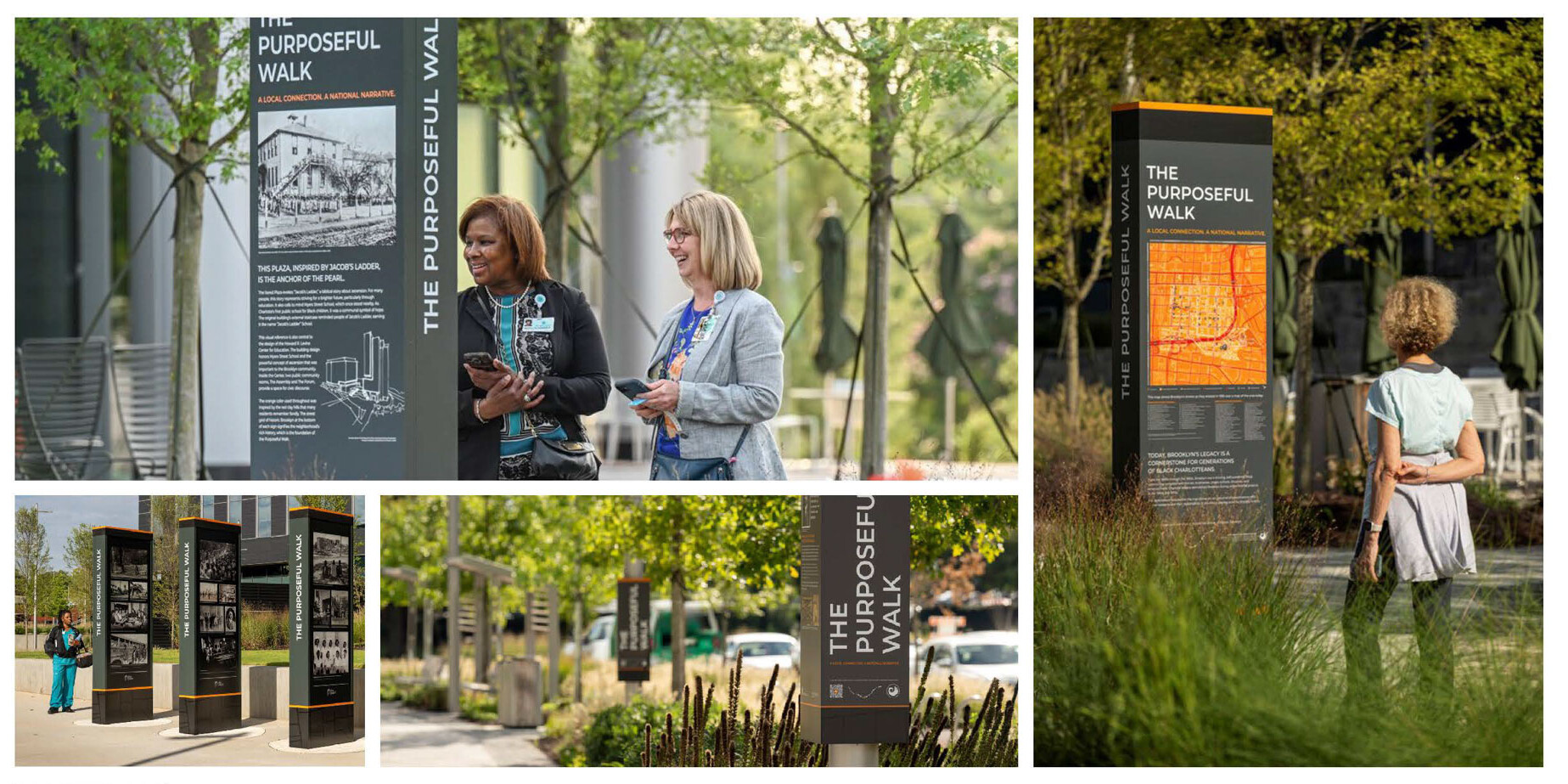
A great example of how we helped to foster this shift was through our collaboration with the Brooklyn community as part of work on The Pearl in Charlotte, North Carolina. From this engagement, we learned about the history of Brooklyn as a once-thriving, displaced Black neighborhood. Both its challenges and triumphs became the driving force behind the Purposeful Walk, an interpretive streetscape which shares information about the neighborhood’s history and cultural impact.

Working with community members to weave together space and narrative, the project establishes a journey through history, memory and resilience. Strategically placed pylons link history to location by pairing local stories with national narratives, creating a visible and engagement-driven public realm. Though a small component — in both area and cost — in a much larger development, the investment in community outreach and storytelling is the leading driver for the project’s public face and has led to meaningful impact for the community.

A collage of photos of The Purposeful Walk at The Pearl
Vision-Informed Design

A well-considered program must also balance vision and budget, while ensuring all spaces are deliberate and intentional. This is particularly vital in an industry where every square foot has financial, operational, and environmental consequences.

Our work for the Royal Commission of AlUla (RCU) developed content, design and operational frameworks for multiple cultural assets identifying not only functional program, but orienting all spaces — interior and exterior, gallery and retail, dining, and conference — to the larger vision. Part of that work involved planning and design for the Museum of the Incense Road, a series of gardens, spaces and exhibitions that connect visitors with ancient sites while telling the story of the incense road through immersive experiences.

While working on the Museum of the Incense Road, our team developed a distinctly tailored “everything speaks” program that evokes this history of people and place through the creation of a robust, public-facing commercial program, a layered approach to gallery condition, circulation that supports the larger curatorial direction, and sensitive integration to both the historic district and palm oasis. Throughout the design process, each decision was directly connected to the museum vision, helping both client and design team to ensure all spaces tell a story and recall a distinct place in time.

Visitation as a Driving Force

Because the visitor experience shapes everything from circulation to interpretation, visitation as a driver of design is a powerful metric for cultural institutions. Understanding how people engage with place ensures that architecture and experience are in dialogue, not at odds.

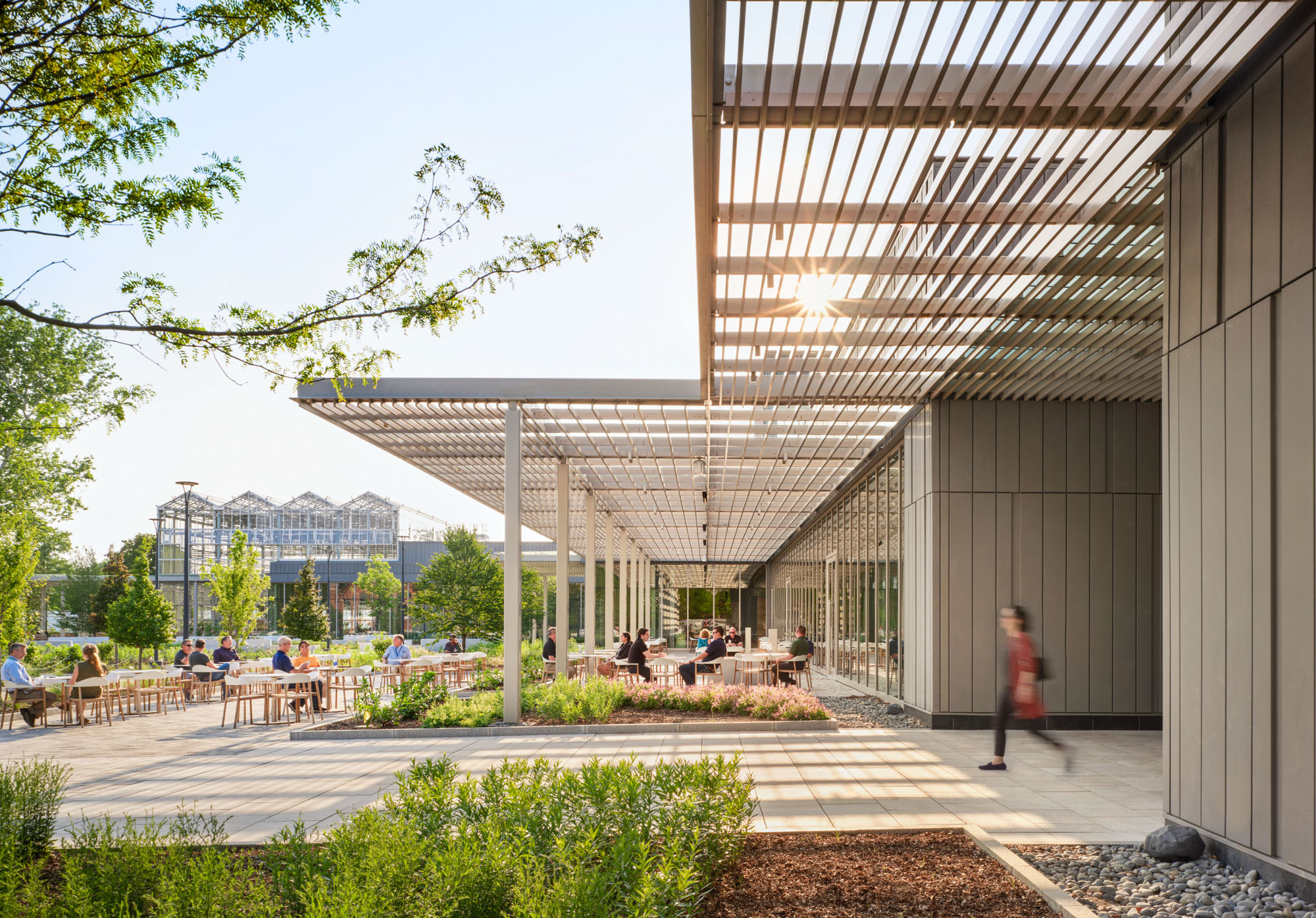
This was especially evident in our work designing the Jack C. Taylor Visitor Center at the Missouri Botanical Garden, where global leadership in plant science and research must functionally coexist with an environment that welcomes, educates, and inspires over a million guests a year. This mission was accomplished through an immersive design experience that blurs the boundaries between form and function, the landscape and interior, all while delivering an exemplar visitor experience.

Key to the building’s success was the extensive strategic programming, planning, and collaboration with the client. Various user groups for the visitor center were identified early, which helped to determine requirements for access, circulation, service and security.  By conceptually mapping visitor and staff flows, the team determined specific arrangements of interior and exterior spaces to synthesize formal and functional relationships to suit the multiple user groups and operational scenarios of the garden. This attention to operational considerations helped to clarify the buildings aesthetic approach, reinforced its special hierarchy, and, most importantly, supported the creation of a meaningful visitor experience for all users.

A person exits the Jack C Taylor Visitor Center at the Missouri Botanical Garden into the main...

Taken together, these examples demonstrate why programming and planning is more than a preliminary step, but a critical foundation for meaningful design. It allows institutions to integrate vision with strategy, ambition with feasibility, and ideals with operations. It strengthens institutional alignment and clarifies decision-making. Most importantly, it creates the conditions where form and function are not competing forces but rather working together to shape places that welcome, inspire, and endure.

Adam Bridge is a principal architect who leads the firm’s cultural studio. Neelab Mahmoud is an architect and planner who specializes in cultural projects. 

Your browser is out-of-date!

Update your browser to view this website correctly. Update my browser now

×