The Chronicle of Higher Education’s Quarter-Century Project collected perspectives from more than 50 higher education leaders — including presidents, faculty, consultants, and government officials — to identify the most consequential trends shaping the sector since 2000. Their reflections highlight a period defined by ongoing disruptions, such as the 9/11 terrorist attacks, the Great Recession, and the rapid advancement of digital technology and artificial intelligence.
The article identifies 2025 as an inflection point shaped by long-developing forces that have changed higher education’s public perception, financial structure, and political context. Declining public confidence, growing concerns about affordability, increased politicization, and rapid technological change have contributed to instability across higher education.
It is fascinating to consider how, as policies and platforms have evolved, campus spaces have adapted in response. Together, these forces have required colleges and universities to reconsider the role of place at a moment when knowledge is mobile, attendance is increasingly optional, resources are constrained, and student expectations are shifting.
Building on the Chronicle’s Quarter-Century Project, this analysis examines the most influential trends from 2000 to 2025 through the lens of campus space. It is our hope that by considering which developments over the past 25 years have most significantly shaped the design, governance, and experience of campus environments, we can gain a deeper understanding of the ways campuses might continue to evolve going forward.
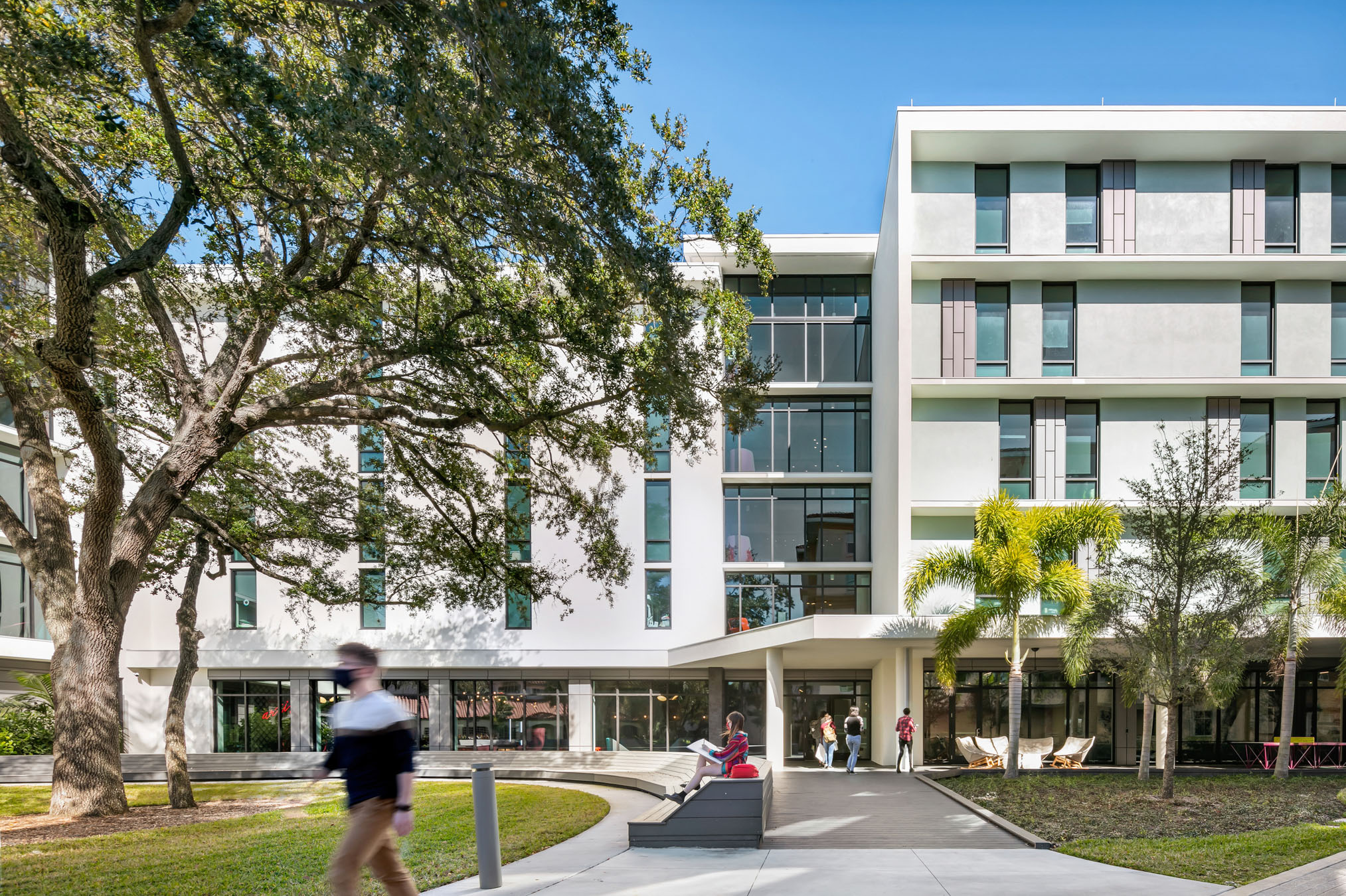
Pictured above: The xučyun ruwway Graduate Student Apartments in University of California, Berkeley’s University Village house 761 students in apartment-style units.